Urban Wildlife: A Field Guide to the Wild Neighbours of Your City
In 2026, cities have become unexpected wildlife sanctuaries. Concrete canyons and pocket parks now support a surprising variety of animals drawn by steady food sources, warmer microclimates, and fewer large predators than rural landscapes. What once seemed like barren urban sprawl reveals itself, with patience, as a thriving ecosystem where wild neighbours live alongside us.
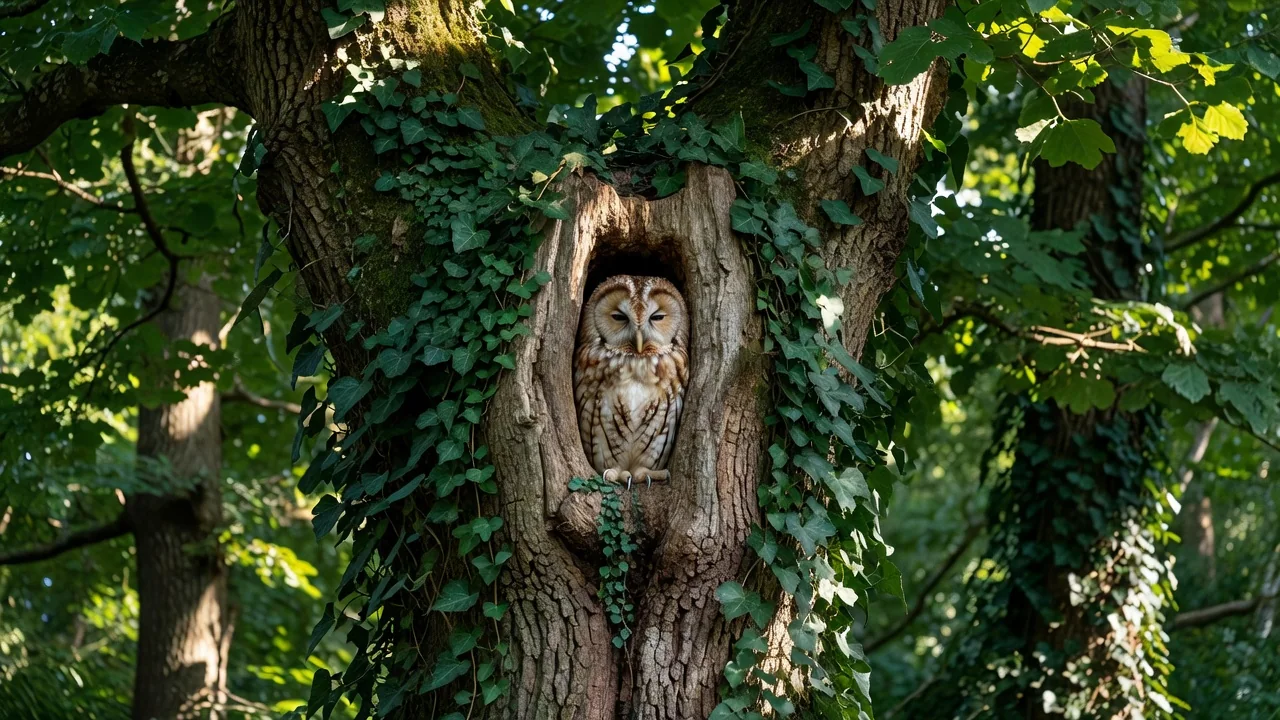
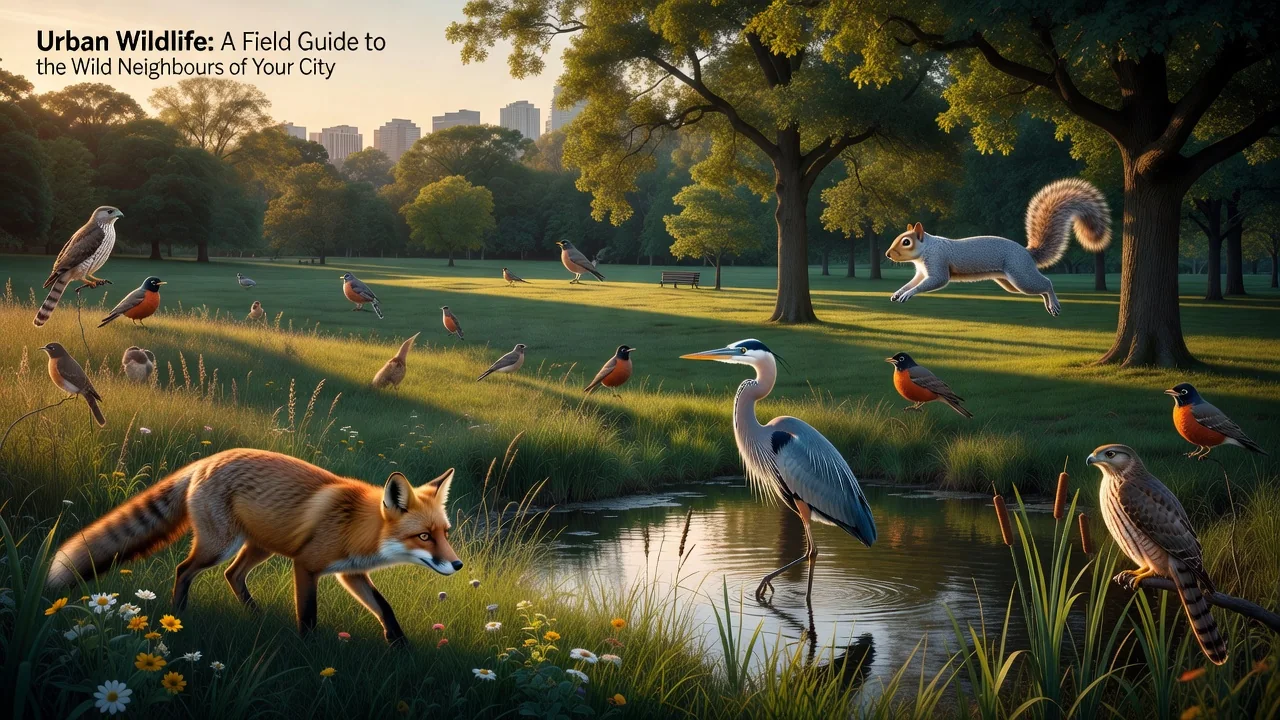
Red foxes trot along railway lines at dawn, their copper coats catching the low light. Peregrine falcons nest on skyscraper ledges, treating office blocks as modern cliffs. Hedgehogs shuffle through suburban gardens, while swifts scream overhead in screaming parties at dusk. Bats flicker against the twilight sky, and grey herons stand motionless beside urban canals. In some regions, raccoons or their local equivalents raid bins with clever paws. These species have adapted brilliantly to human environments.
Prime Times and Places to Watch
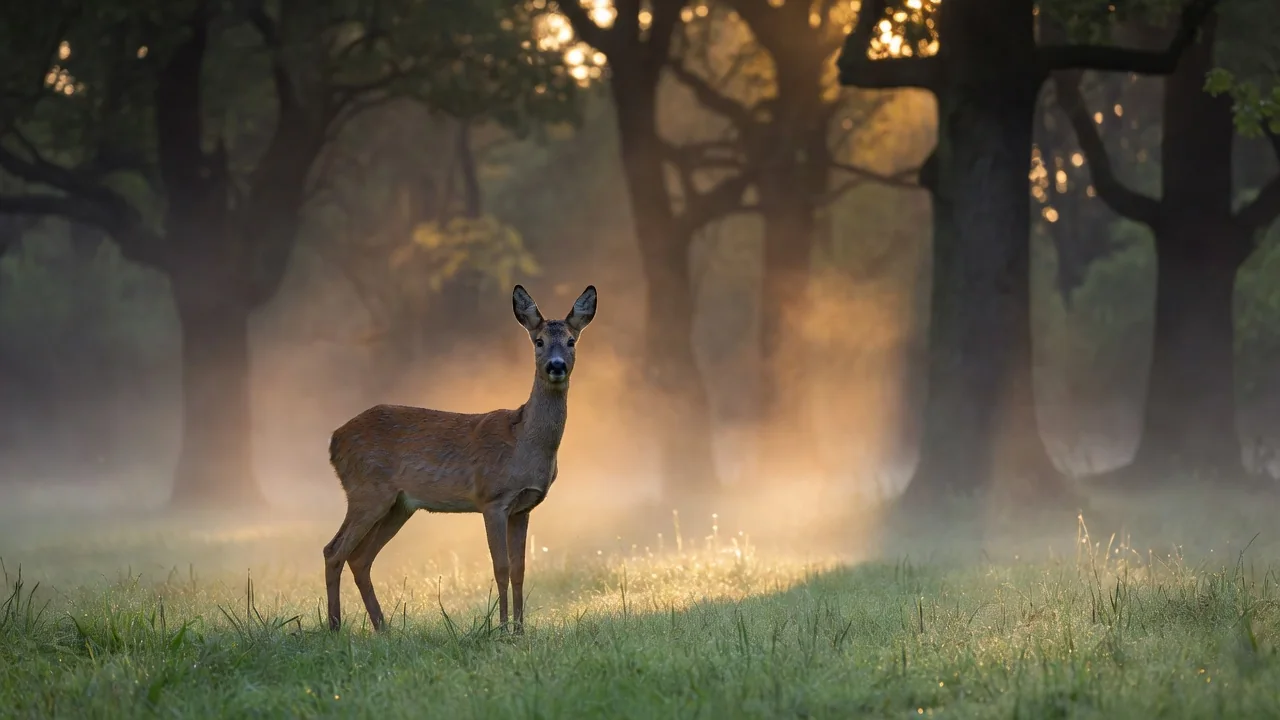
Dawn in city parks offers the best chance to spot mammals returning from their nightly rounds. Dusk near waterways or allotments reveals bats, owls, and nocturnal foragers. Cemeteries with mature trees and unmown grass provide quiet corridors for hedgehogs and birds. Even a simple balcony can become an observation post when you install a small water dish during heatwaves or plant night-scented flowers that draw moths for bats. Creating hedgehog highways by cutting small holes in fences connects fragmented gardens into safe travel routes.
Responsible Urban Wildlife Watching
Feeding wild animals might seem kind, but offering food to foxes or gulls often creates conflict. It draws them into roads, teaches them to approach humans, and can spark aggressive behaviour when expectations aren't met. Instead, focus on habitat. Avoid rodenticides entirely. These poisons travel up the food chain, killing the very predators that naturally control rat populations. A single poisoned mouse can harm an owl, fox, or hawk for weeks.
Simple actions make a real difference. Leave leaf litter in corners for insects and hedgehogs. Install swift bricks in new buildings. Keep cats indoors at night during nesting season. These small changes help maintain balance between human spaces and wild lives.
Meeting the Neighbours Without Causing Trouble
- Walk at dawn or dusk and let parks, canals and cemeteries do the work.
- Watch foxes from a distance and never feed them or leave scraps on purpose.
- Put out fresh water in hot spells and cut a 13 cm gap in the fence for hedgehogs.
- Skip rodent poison — it climbs the food chain to owls, hawks and foxes.
| Species | Best Places to Look | Peak Season |
|---|---|---|
| Red Fox | Parks, railway embankments, allotments | Autumn & Winter |
| Peregrine Falcon | Tall buildings, bridges, church towers | Spring & Summer |
| Hedgehog | Gardens, cemeteries, woodland edges | Summer evenings |
| Common Swift | Roofs and eaves in historic districts | May to August |
| Bats (various) | Riversides, parks at dusk | Late Spring to Autumn |
| Grey Heron | Canals, ponds, urban wetlands | Year-round, especially winter |
| Raccoon (or regional equivalent) | Suburban edges, waste areas | Spring & Autumn |
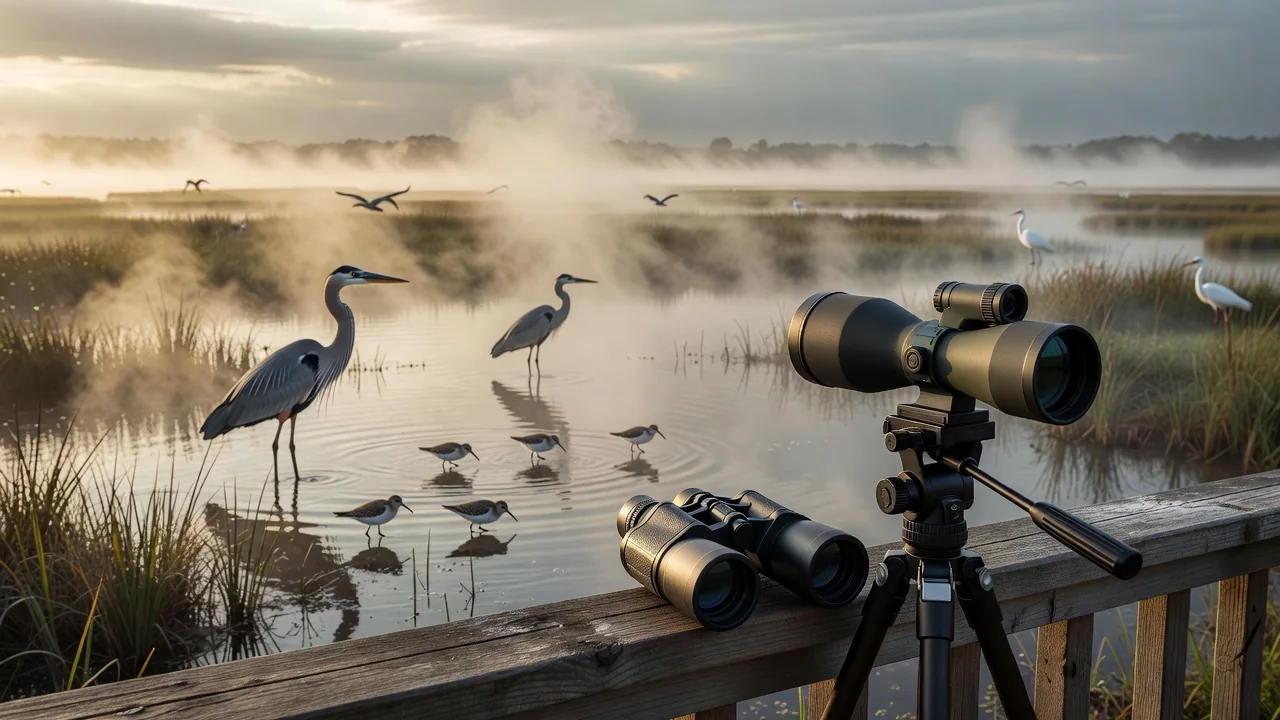
Urban wildlife watching in 2026 requires quiet observation rather than dramatic expeditions. Binoculars, a notebook, and respect for distance are the only equipment needed. Many species are most active when we are not, so adjusting our own rhythms slightly opens an entire hidden city. The animals were here before the buildings, and with thoughtful coexistence they will remain long after we are gone. Next time you step outside at twilight, look up and around. Your wild neighbours are closer than you think.