Dawn, Dusk and the Hours Between: When Wildlife Is Most Active
Dawn and dusk are the prime windows for watching wildlife because most species evolved to exploit the soft light when predators struggle to see clearly. Songbirds kick off the day with the dawn chorus, a symphony that peaks in the first hour after sunrise. American robins often lead the chorus, singing from rooftops and treetops in city parks and rural woodlands alike. In North America, the chorus can include 15 to 20 species within 30 minutes of first light, turning ordinary mornings into memorable natural concerts. Arriving 45 minutes before sunrise lets you witness the buildup from total silence to full orchestral swell.
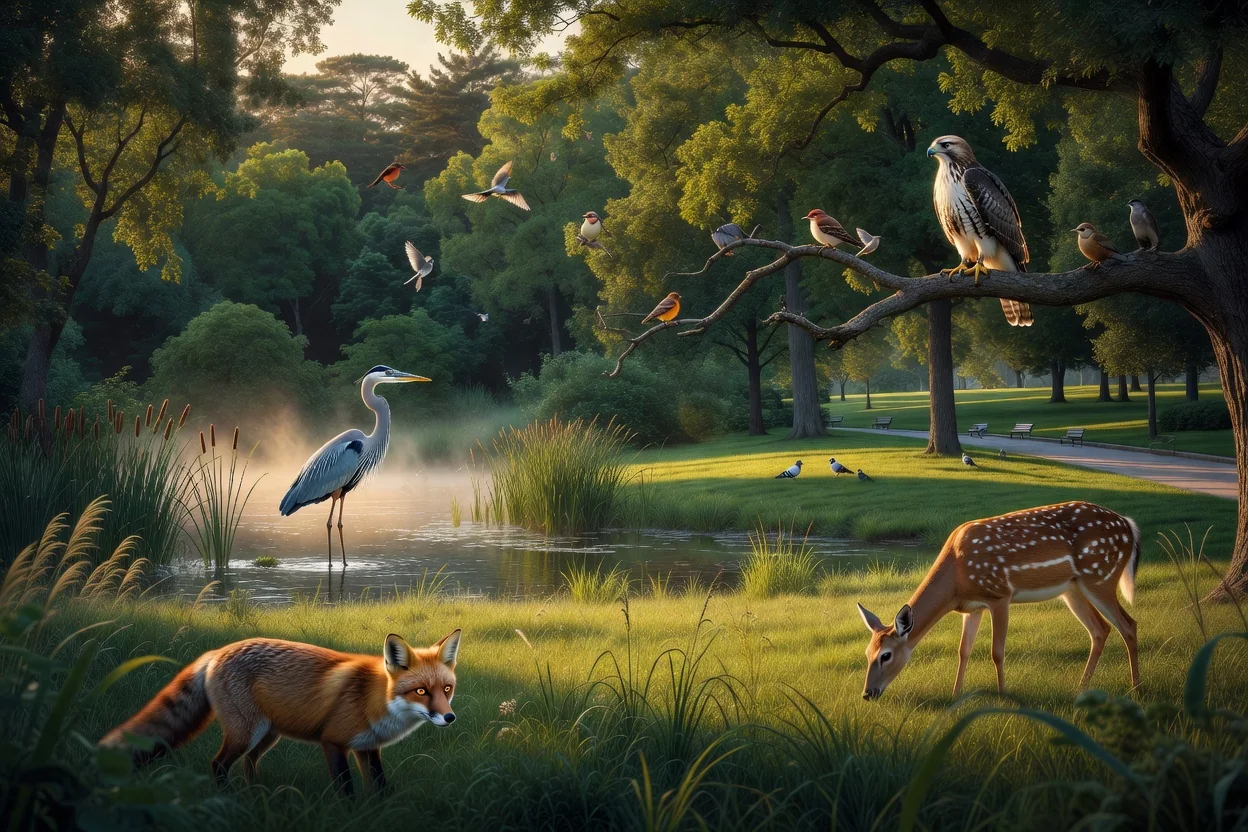
Crepuscular mammals such as white-tailed deer, eastern cottontail rabbits, North American beavers, and coyotes stay active at twilight because temperatures are moderate and cover is better. These animals move along forest edges and riverbanks during the first two hours and last two hours of daylight, the reliable rule that guides thousands of successful wildlife watchers every season. Above 30 C, midday activity drops sharply as deer and rabbits seek shade, while reptiles take center stage. Understanding these patterns turns a casual hike into a reliable wildlife encounter.
The Dawn Chorus: Songbirds at Their Loudest
During spring migration, the dawn chorus reaches its height between 5:15 and 6:30 a.m. in temperate latitudes. American robins, northern cardinals, and black-capped chickadees are among the earliest singers, often beginning calls 20 minutes before official sunrise. Field guides note that the great majority of songbird vocalizations occur in this narrow window because cool air carries sound farther. Photographers who reach their blind 45 minutes early capture both the audio spectacle and the soft golden light that makes feathers glow.
In autumn the chorus quiets but never disappears entirely. Resident species like tufted titmice still call at first light, though the volume drops by roughly 60 percent compared with May mornings. This seasonal shift reminds watchers to adjust expectations and enjoy subtler interactions instead of wall-to-wall song.
Crepuscular Mammals: Twilight Specialists
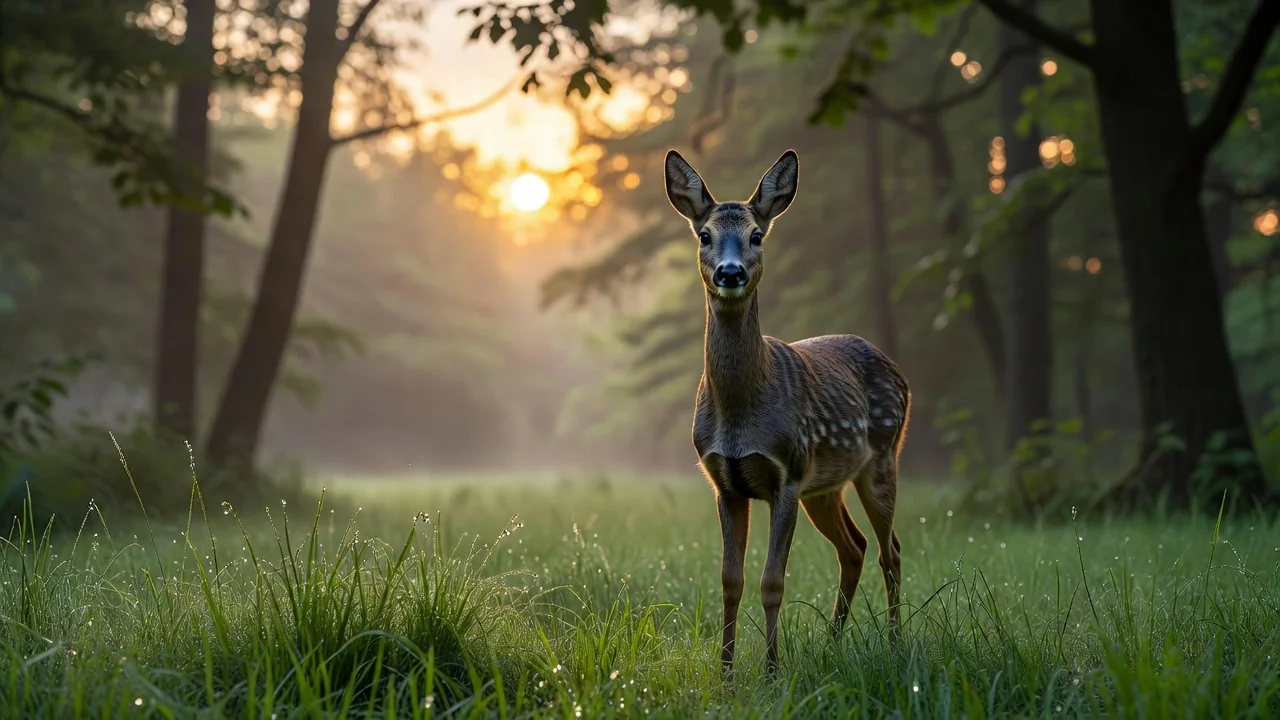
White-tailed deer feed most actively from 45 minutes before sunrise until two hours after, then again during the final two hours before full dark. In the Midwest, trail-camera studies consistently show that most deer movement is compressed into these four daily hours. Cottontail rabbits follow the same schedule, emerging from brushy cover to forage on clover and tender grasses along woodland margins.
North American beavers and coyotes also favor low-light edges. Beavers repair dams and fell saplings between 4:30 a.m. and 7 a.m. or 7 p.m. and 9:30 p.m. in midsummer. Coyotes hunt rabbits and small rodents during the same periods, often trotting along river corridors in Yellowstone National Park or local greenbelts. These overlapping schedules create rich viewing opportunities if you remain still and quiet.
Midday Reptiles: Basking in the Heat
When air temperatures climb above 30 C, most mammals retreat, but garter snakes, western fence lizards, and painted turtles become highly visible. Garter snakes coil on sun-warmed granite outcrops or wooden fence rails between 11 a.m. and 3 p.m., absorbing heat to digest recent meals. A single 50-meter stretch of rocky trail in the Sierra Nevada can host eight to ten individuals on a hot July afternoon.
Reptile watchers carry a small thermometer and note that activity peaks when rock surfaces reach 35 C. Once the ground exceeds 40 C, even these cold-blooded animals slip into shade, teaching observers to watch the mercury as closely as the trail.
Nocturnal Species: Owls, Bats, and the Night Shift
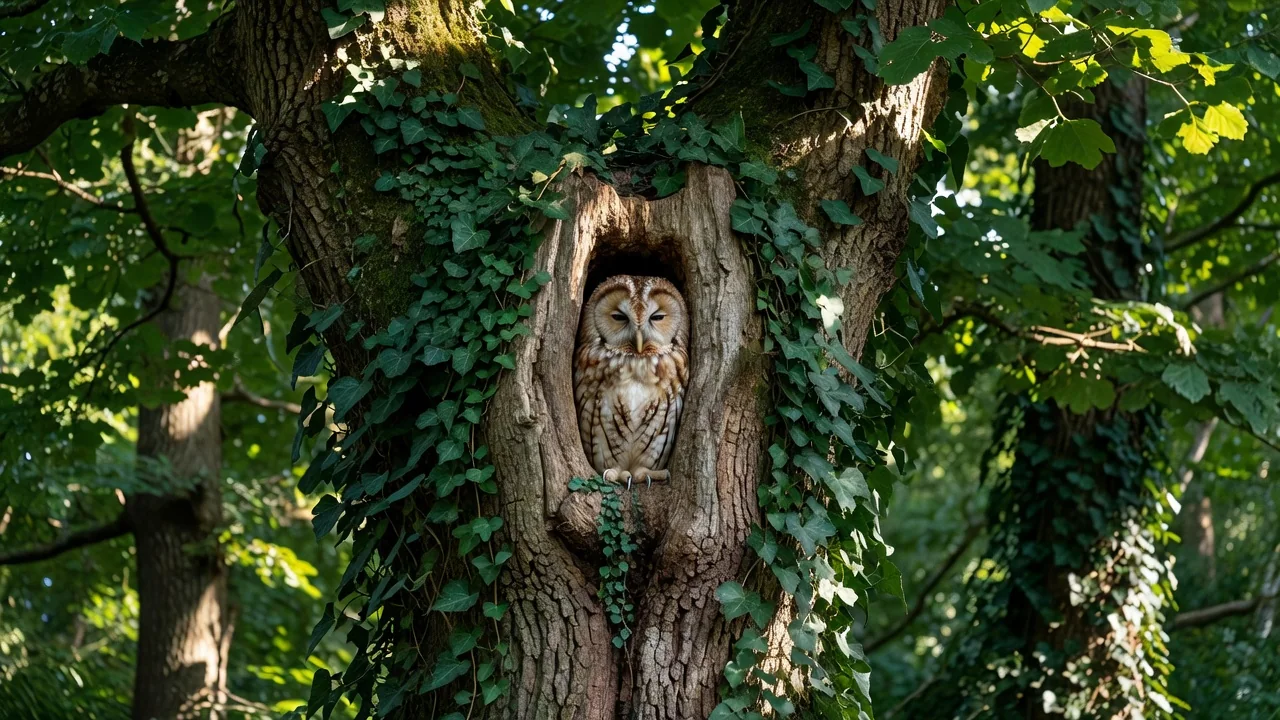
Great horned owls and little brown bats take over after sunset. Great horned owls begin territorial calls 25 minutes after civil twilight, their deep hoots carrying up to 1.5 kilometers across open fields. Little brown bats emerge from roosts in groups of 50 to 200 individuals at dusk, sweeping low over ponds to catch mayflies. Their activity lasts until roughly 11 p.m. before a quieter second feeding bout near 3 a.m.
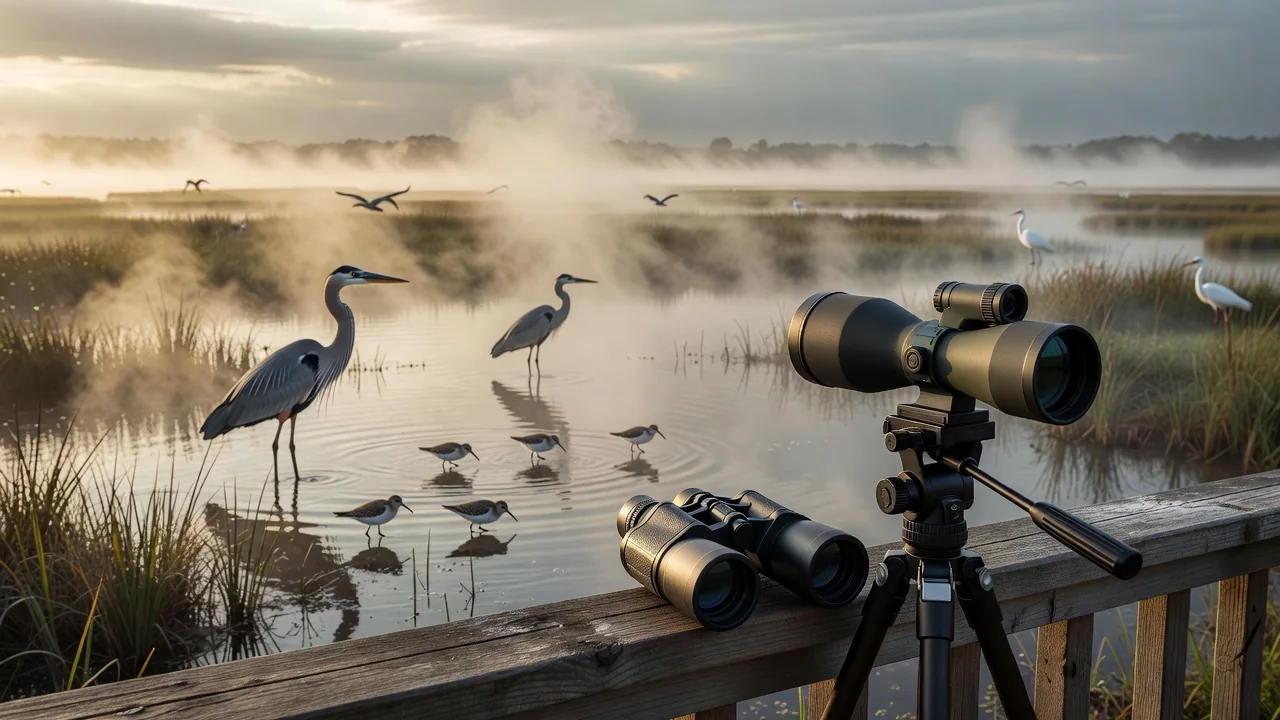
Moon phases influence visibility and behavior. A full moon increases owl hunting success by 30 percent yet makes bats easier to spot against the brighter sky. Coastal watchers combine lunar data with tide tables; shorebirds feed most actively during the two hours surrounding low tide regardless of clock time.
Seasonal Shifts That Change the Clock
Spring migration mornings explode with warblers and vireos between 6 a.m. and 9 a.m. along the Mississippi Flyway. Autumn brings a different rhythm: white-tailed deer enter the rut in October and November, with peak movement shifting to 4 p.m. until full dark. Evening watches in Shenandoah National Park during the rut routinely record 12 to 18 deer per hour versus three or four in summer.
These predictable seasonal flips let beginners plan outings months ahead. Checking sunrise tables and local rut reports from state wildlife agencies removes guesswork and dramatically raises success rates.
Practical Field Tips for Every Watcher
- Arrive at least 45 minutes before sunrise to settle in before the first birds call.
- Follow the first-two-hours and last-two-hours rule for the highest mammal sightings.
- Carry binoculars rated 8x42 and a small notebook to record exact times of first activity.
- Monitor temperatures above 30 C and shift focus to reptiles or shaded water holes.
- Check moon phase calendars and tide charts before coastal or nocturnal trips.
- Move slowly and wear earth-tone clothing to avoid spooking crepuscular deer and rabbits.
| Animal Group | Peak Activity | Best Light | Seasonal Note |
|---|---|---|---|
| Songbirds | First 60 min | Dawn | Spring peak |
| Crepuscular mammals | 4 hrs total | Twilight | Rut evenings |
| Reptiles | 11am-3pm | Midday | Above 30 C |
| Nocturnal birds & bats | After sunset | Dusk/Night | Full moon helps |
| Shorebirds | ±2 hrs low tide | Any | Tide driven |
Master these simple patterns and every outing becomes a front-row seat to wild lives shaped by light, heat, and season. The animals are already on schedule; the only question is whether you will be there when the curtain rises.