Ethical Wildlife Watching in 2026: How to Observe Animals Without Harming Them
In 2026, wildlife watching has evolved into a more conscious practice. With growing numbers of people seeking meaningful encounters in nature, the emphasis is firmly on minimizing our impact. Responsible observers now understand that true connection comes from patience and respect rather than proximity. The goal is to leave the animals undisturbed, allowing them to behave as they would without human presence.
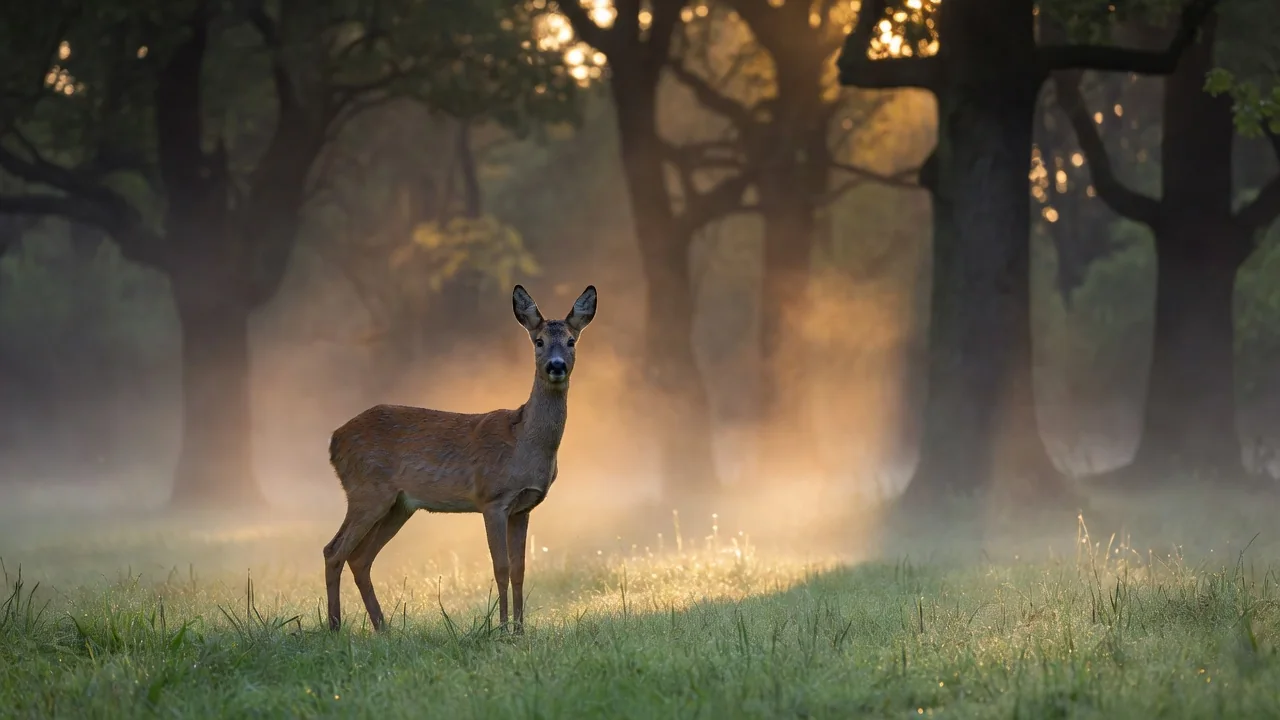
One of the simplest yet most effective rules is to watch animal behavior closely. If a creature stops what it is doing, looks at you repeatedly, changes direction, or shows signs of alarm such as flattened ears, raised tails, or vocal warnings, you have crossed an invisible line. Back away immediately. This living rule of thumb works across species and environments far better than any fixed number on a signpost.
Seasonal Sensitivity and Safe Distances
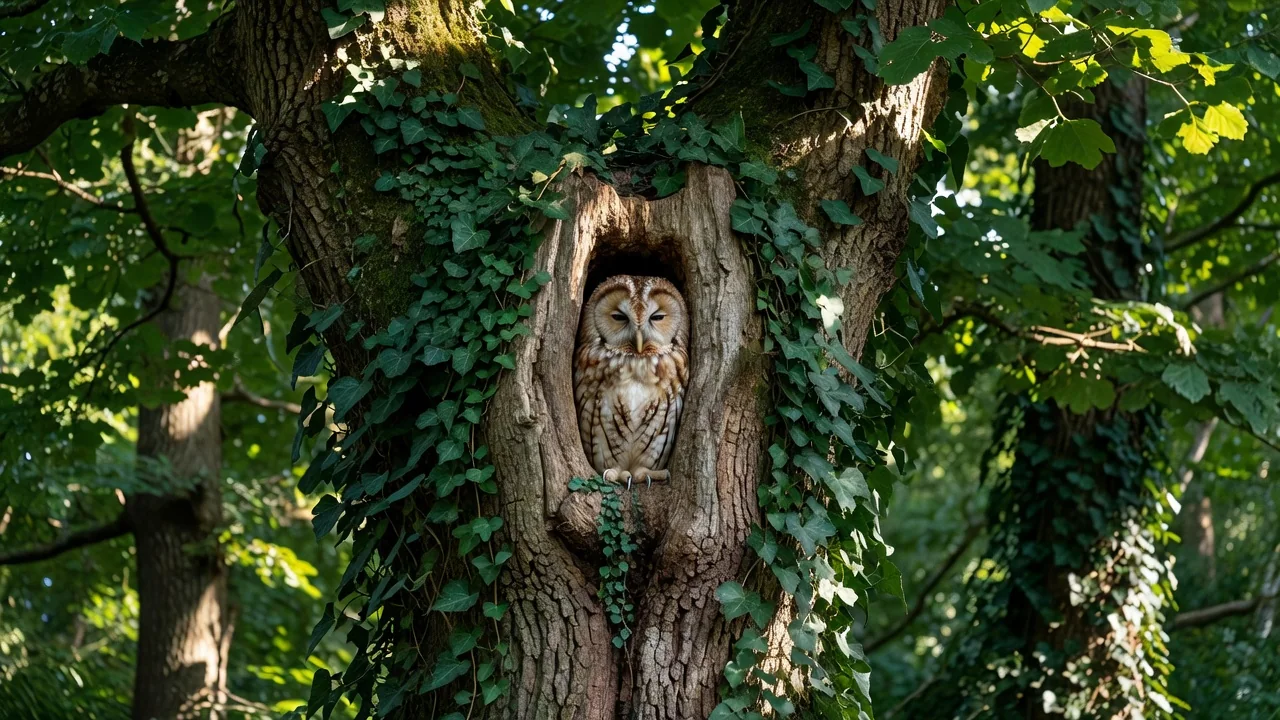
Nesting and denning periods require particular care. Birds sitting on eggs or feeding helpless chicks become far more vulnerable to disturbance. A single approach that flushes a parent from the nest can cause eggs to chill or attract predators. Similarly, mammals with newborn young in dens are fiercely protective and easily stressed. During these critical weeks, doubling your usual distance is wise. Many widely published guidelines suggest remaining at least 100 meters from nesting raptors and 50 meters or more from songbird nests, though these are starting points rather than absolutes.
Why Feeding Is Never Kind
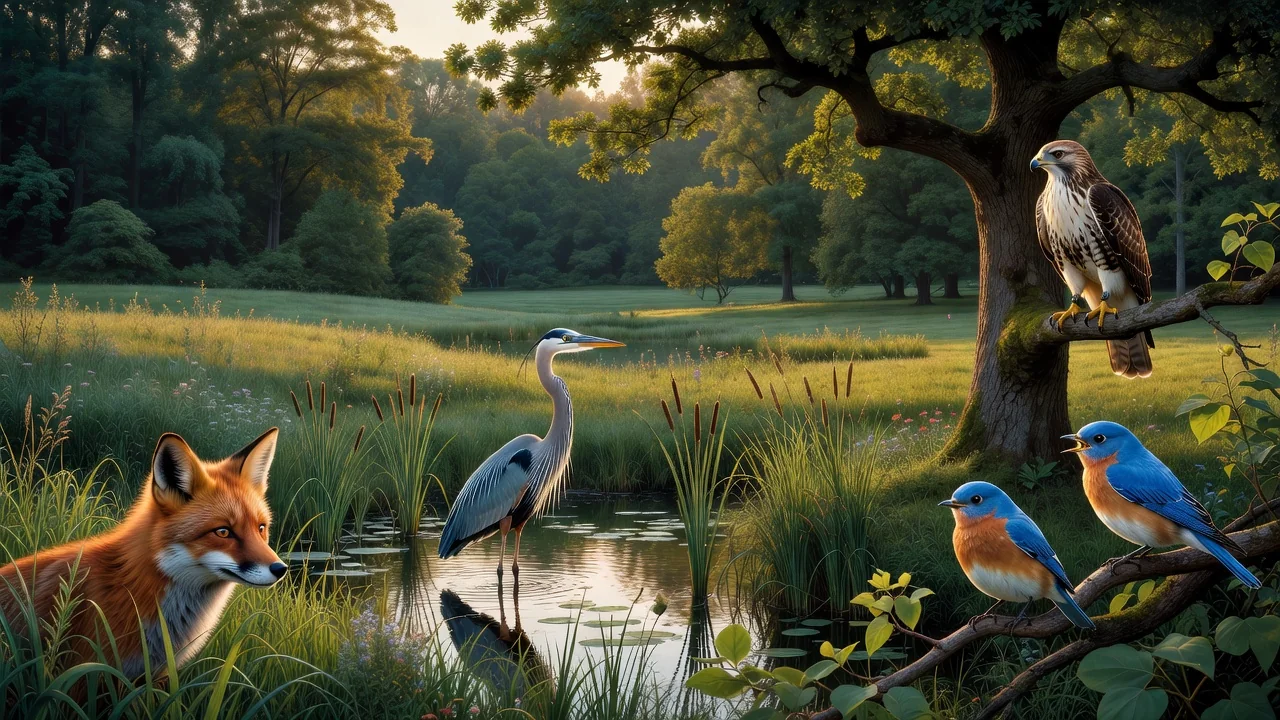
Offering food to wild animals remains tempting, yet it creates dangerous habituation. Animals that learn to associate humans with meals lose their natural fear. They begin approaching roads, campsites, and towns, increasing the likelihood of vehicle collisions, aggressive encounters, or eventual euthanasia by authorities. A habituated bear or fox rarely lives a long life in the wild. The kindest action is to keep food scents contained and never offer snacks, no matter how photogenic the beggar.
Dogs add another layer of pressure. Even well-trained pets can disturb ground-nesting birds or chase deer across sensitive habitats. In most reserves and protected areas, keeping dogs on a short leash protects both wildlife and your four-legged companion. Staying strictly on marked trails prevents trampling of fragile plants that small mammals and reptiles rely upon for cover.
Optics: Your Most Ethical Tool
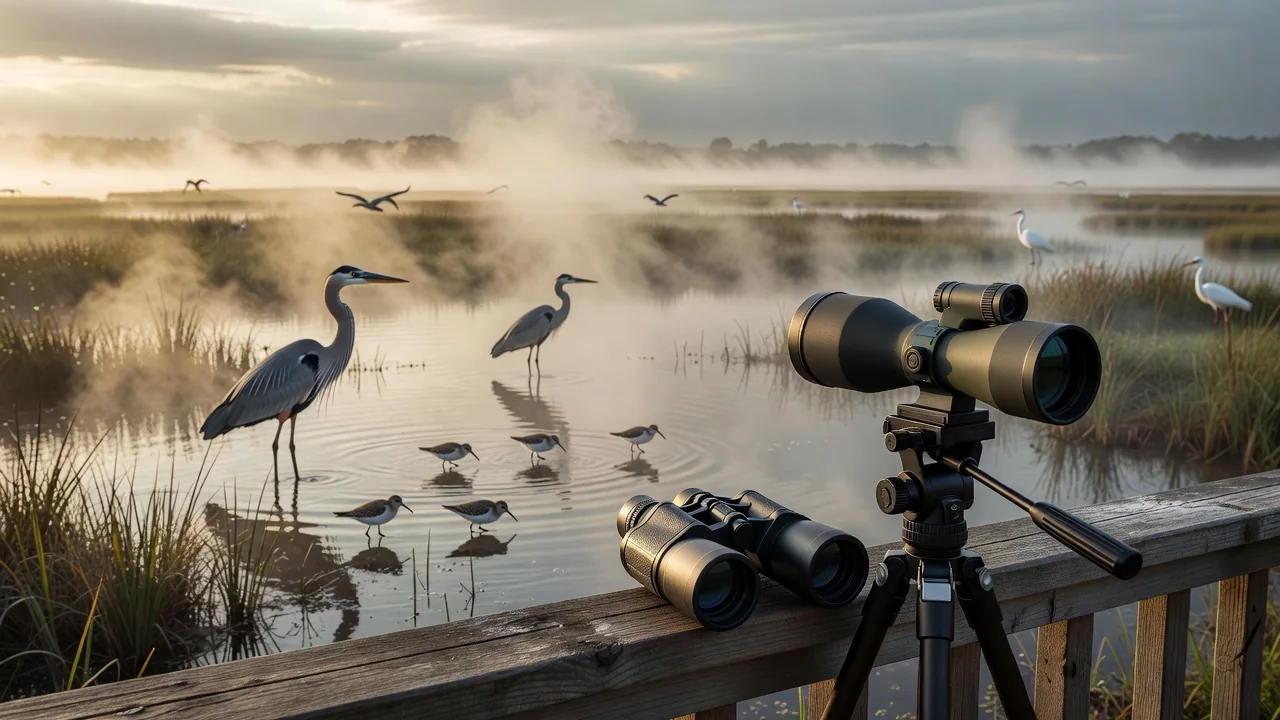
Quality optics allow intimate views without intrusion. Binoculars in the 8x42 or 10x42 range strike an excellent balance between brightness, field of view, and weight for all-day carrying. For longer distances, a compact spotting scope mounted on a lightweight tripod offers stunning detail while you remain stationary on the trail. These tools replace the urge to creep closer. Combined with quiet movement and attention to wind direction, they let you observe animals on their own terms. Always approach from downwind when possible so your scent does not carry ahead of you.
| Animal Group | Typical Minimum Distance (meters) | Notes |
|---|---|---|
| Birds at active nests | 30–100 | Greater for raptors and colonial seabirds |
| Large terrestrial mammals | 50–75 | Increase during calving season |
| Marine mammals | 50–100 | Avoid approaching mothers with pups |
| Reptiles and amphibians | 15–30 | Particularly sensitive to trampling near breeding sites |
These distances represent general consensus drawn from decades of field research and are adjusted according to the individual animal’s response. What matters most is developing the habit of constant observation and the willingness to retreat when necessary. In 2026, the most rewarding wildlife encounters are those where the animals barely register your presence.
Carrying a small pair of binoculars, wearing muted colors, moving slowly, and respecting seasonal closures creates space for genuine wonder. The animals remain wild, the habitat stays intact, and future visitors inherit the same privilege we enjoy today. Ethical watching is ultimately an act of restraint that deepens rather than diminishes the experience.
- Observe before approaching and retreat at the first sign of changed behavior
- Double distances during nesting and denning seasons
- Never feed wild animals or allow pets to run free in sensitive habitats
- Use good binoculars and spotting scopes instead of closing the physical gap
- Stay on trails and move quietly while keeping your scent downwind