Reading Animal Tracks and Signs: A Beginner's Guide to Field Detective Work
Stepping into the woods with fresh eyes can turn an ordinary hike into a quiet detective story. In 2026, more beginners than ever are discovering the satisfaction of reading animal tracks and signs without disturbing the wildlife. All it takes is patience, a good pair of boots, and the willingness to slow down and look closely at the ground.
Prime locations for prints include the soft mud along stream and pond edges, sandy riverbanks, fresh snow, and dusty game trails through meadows. These natural canvases capture impressions clearly. Once you spot a track, note its basic anatomy: the number and shape of toes, the size and texture of the main pad, whether claws show, and the overall stride and straddle pattern. Measuring the distance between prints and the width between left and right sets helps reveal the animal’s gait and size.
Distinguishing Mammal Prints
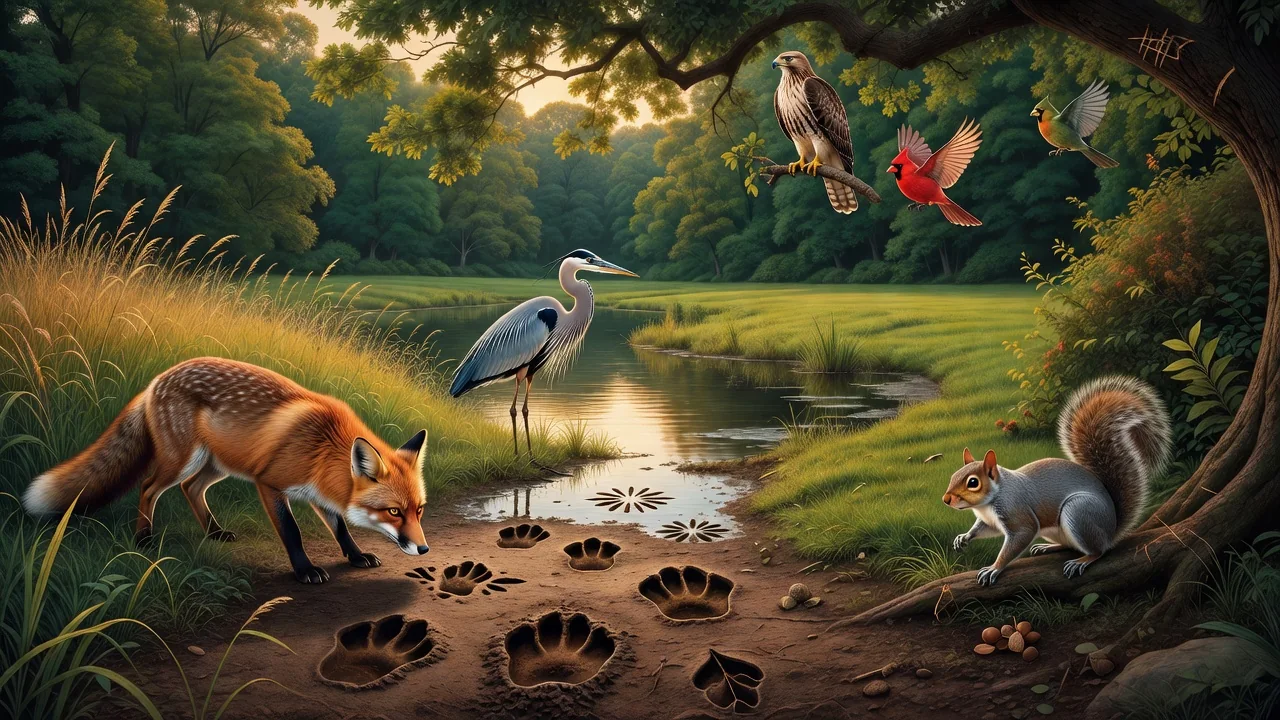
Canine tracks, like those of foxes, coyotes, or domestic dogs, usually show four toes with visible claw marks and an oval or diamond-shaped main pad. Feline prints from bobcats or house cats appear more rounded, often lack claw marks because they retract them, and have a three-lobed heel pad. Hoofed animals leave very different signatures: deer and similar species produce heart-shaped or split prints, while horses leave single, rounded or oval impressions. Observing whether the prints register—that is, whether the hind foot lands directly on the front track—can indicate a calm, energy-efficient walker.
Bird Tracks and Other Telling Signs
Birds leave distinctive patterns too. Hoppers such as sparrows and juncos create paired tracks side by side, while walkers like crows and herons leave alternating prints in a straight or slightly zig-zag line. Beyond footprints, pay attention to scat, which can reveal both species and recent diet—berry seeds, hair, or insect parts are common clues. Never touch scat with bare hands; use a stick or wear gloves. Look for feeding signs: neatly gnawed pine cones from squirrels, stripped bark from rabbits or porcupines, and tufts of hair caught on barbed-wire fences or rub trees where deer or bears have scratched.
Keeping a simple track log turns casual observations into a rewarding habit. Photograph each find with a coin or business card for scale, note the date, location, weather, and substrate. Over time these records help you recognize repeat visitors to your favorite trails.
- Always observe from a distance and avoid disturbing bedding areas or dens.
- Carry a small notebook, ruler, and phone for quick documentation.
- Focus on natural trails rather than baiting or trapping wildlife.
- Respect private land and protected areas.
| Sign Type | Likely Animal Groups |
|---|---|
| Four-toed print with claws | Canines (fox, coyote, dog) |
| Four-toed print, no claws | Felines (bobcat, lynx, domestic cat) |
| Heart-shaped split hoof | Deer, elk, moose |
| Single rounded hoof | Horse, donkey |
| Paired tracks side-by-side | Hopping birds (sparrows, robins) |
| Alternating single tracks | Walking birds (crows, herons) |
| Pellets with plant fiber | Rabbits, hares |
| Twisted rope-like scat | Coyotes, foxes |
Reading tracks and signs is less about naming every visitor and more about noticing the hidden conversations happening all around us. Each muddy print or neatly nibbled twig adds another sentence to the story of the land. With practice, you’ll begin to anticipate where animals travel, what they eat, and how they move through the seasons. Grab a notebook, head outside, and let the ground tell its tales.