Nature Photography for Beginners: A Field Guide to Honest Wildlife Images
Nature photography rewards patience more than expensive gear. Many beginners already own everything needed to start making honest wildlife images: a bridge camera with a built-in zoom or a basic DSLR or mirrorless body paired with a 70-300mm telephoto lens. These tools let you work from a respectful distance while learning the habits of local birds, mammals and insects. The real craft begins the moment you stop thinking about “getting the shot” and start thinking about the animal’s comfort first.
Light is everything in wildlife photography. Early morning and late evening give you soft, warm illumination that reveals texture in fur and feathers without harsh shadows. Midday sun often creates high contrast that burns out highlight details on white plumage or pale coats. Arriving an hour before sunrise or staying until after sunset also coincides with peak animal activity, so you’re more likely to witness natural behaviour rather than disturbed flight.
Respectful Field Craft
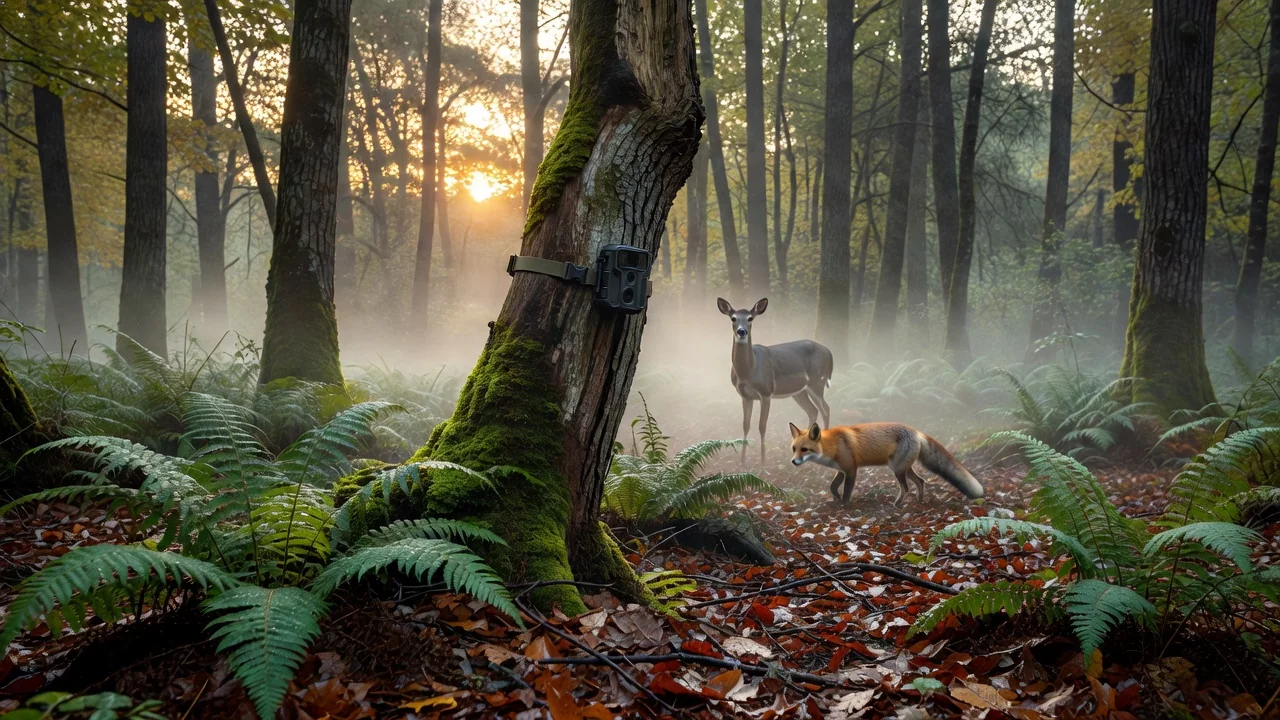
Getting low to eye level with your subject instantly improves the emotional connection in the frame. Lie on the ground, sit in the grass, or rest your camera on a beanbag. Use natural cover—hedgerows, tree trunks, or tall reeds—rather than stalking directly. Portable hides or even a camouflage throw-over net let you remain still for long periods without disturbing the wildlife. The goal is to become part of the landscape, not an intruder. No image is worth stressing an animal; if it changes its behaviour because of your presence, you are already too close.
Ethical boundaries matter. Baiting, call playback on a loop, and nest photography can alter natural patterns, create dependency, or expose vulnerable young to predators. Instead, learn the rhythms of your local patch. Return to the same spot over weeks. The animals will habituate to your quiet presence if you never push for the picture. When you cannot get closer without disturbance, crop thoughtfully in post-production. A tight composition from distance often tells a truer story than a frame-filling portrait taken at the cost of the subject’s peace.
Exposure for Fur and Feathers
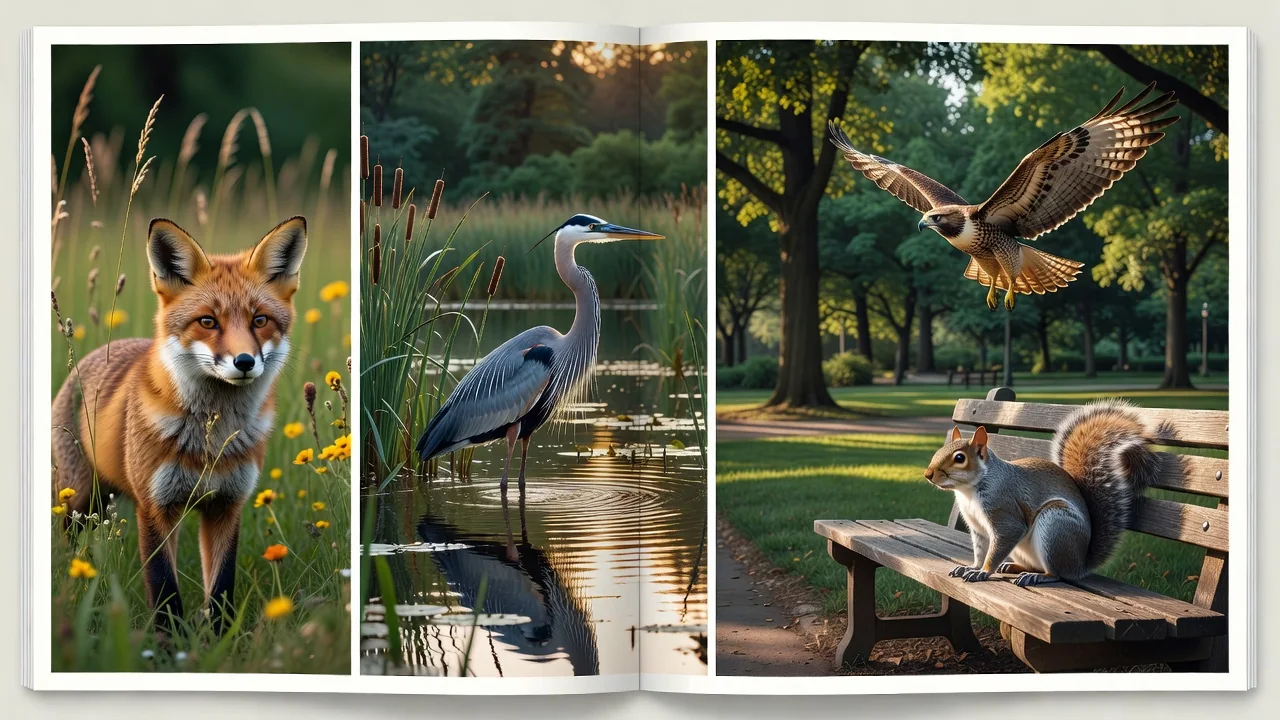
Animals with light-coloured coats or bright feathers fool camera meters easily. The safest habit is to expose for the highlights: check your histogram and keep the right-hand side from clipping. Slight underexposure is easier to recover in raw files than blown-out detail on a swan’s wing or a fox’s chest. Use continuous autofocus with a single central point or a small zone, and shoot in short bursts so you catch the moment the animal’s eye is sharp. A beanbag or lightweight tripod helps eliminate shake when working at 300mm in low light.
Starter Setups by Budget
| Budget Tier | Typical Setup | Best For |
|---|---|---|
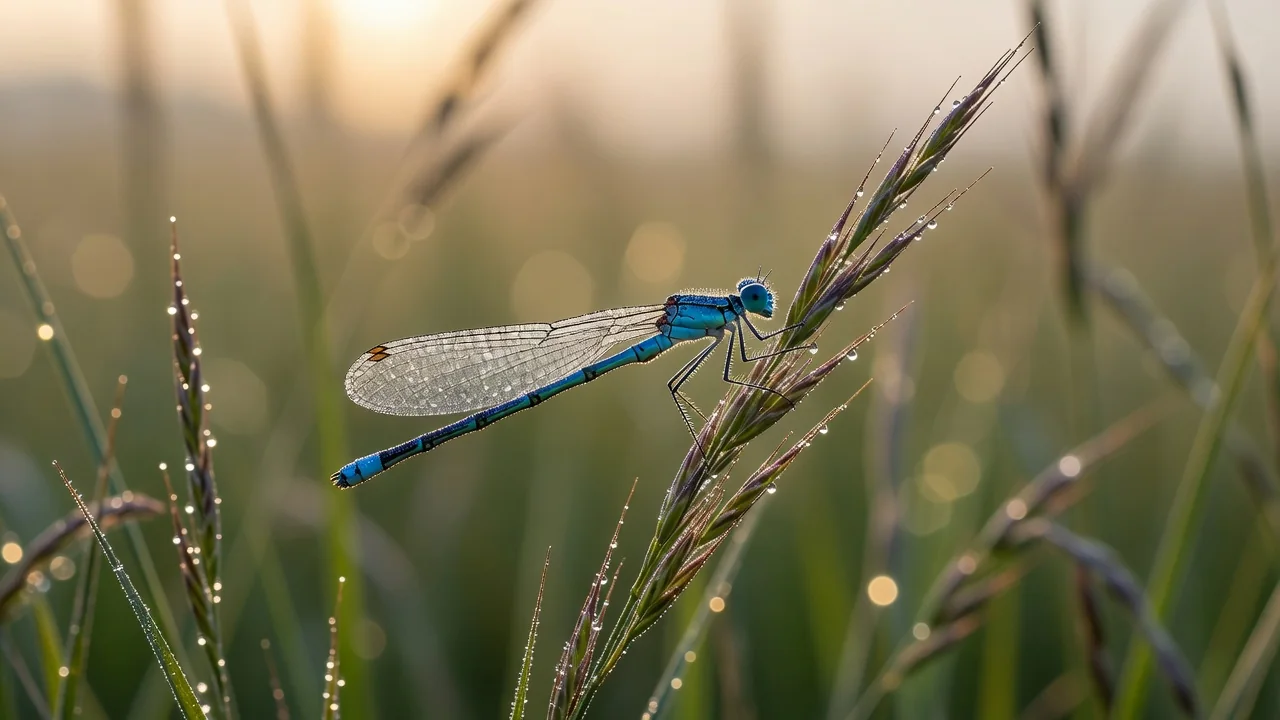
| Under $400 (approx) | Bridge camera with 24-800mm equivalent zoom | Birds in the garden, park squirrels, beginner macro insects |
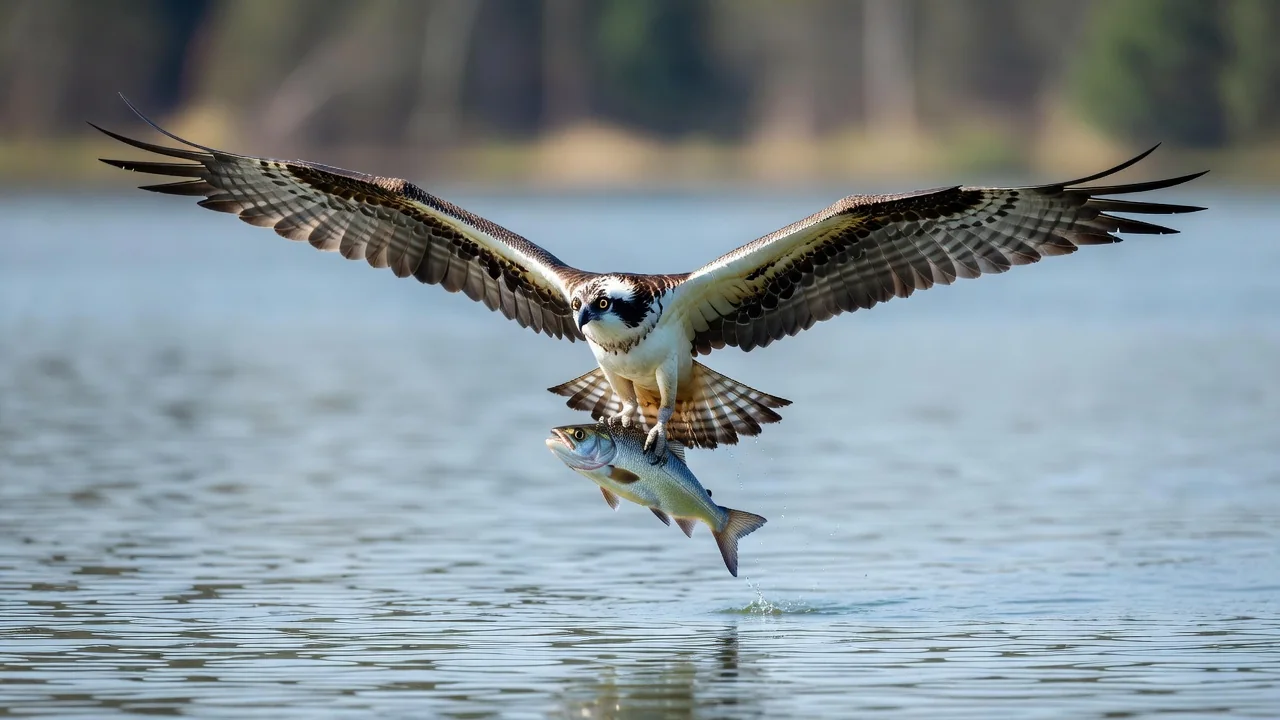
| $600–$1,200 (approx) | Entry mirrorless or DSLR + 70-300mm telephoto + monopod | Woodland mammals at dawn, water birds from hides |
| $1,500+ (approx) | Interchangeable lens body + 100-400mm or 70-300mm + 1.4× teleconverter + sturdy tripod | Longer sessions in variable weather, distant subjects |
Whatever your budget, the same principle applies: invest time before money. Spend more hours watching animals than shopping for lenses. Learn to read body language—flattened ears, raised tails, or sudden freezing usually mean retreat immediately. The most rewarding images are those taken when the wildlife barely registers your presence.
- Arrive early, leave late, and move slowly
- Keep your silhouette low and your voice silent
- Check your histogram, not just the LCD
- Crop later rather than crowd now
- Put the animal’s welfare before the photograph, always
Honest wildlife photography is less about technical perfection and more about earning the trust of the landscape. When you finally press the shutter on a moment that feels given rather than taken, you’ll understand why so many of us return to the same fields and woods season after season. The light, the quiet, and the living world are the real rewards.