Volunteering for Wildlife: What Actually Helps and What to Avoid
In 2026, wildlife conservation faces tighter budgets and more fragmented habitats than ever. The good news is that thoughtful volunteers remain genuinely useful. The difference between helpful work and wasted effort often comes down to choosing the right activity, asking sharp questions, and steering clear of projects that treat animals as props.
Local, repeated commitment almost always delivers more value than one-off international trips. Habitat restoration days—pulling weeds, planting native shrubs, or spreading mulch—directly improve soil health and biodiversity in nearby reserves. Removing invasive plants or animals, when done under expert supervision, prevents ecosystem collapse. Building and monitoring nest boxes for birds, bats, or owls provides measurable breeding data year after year.
Transporting injured wildlife to rehab centers saves individual lives and frees professional staff for surgery and care. Maintaining trails in nature reserves keeps paths usable for both people and animals while reducing erosion that harms streams.
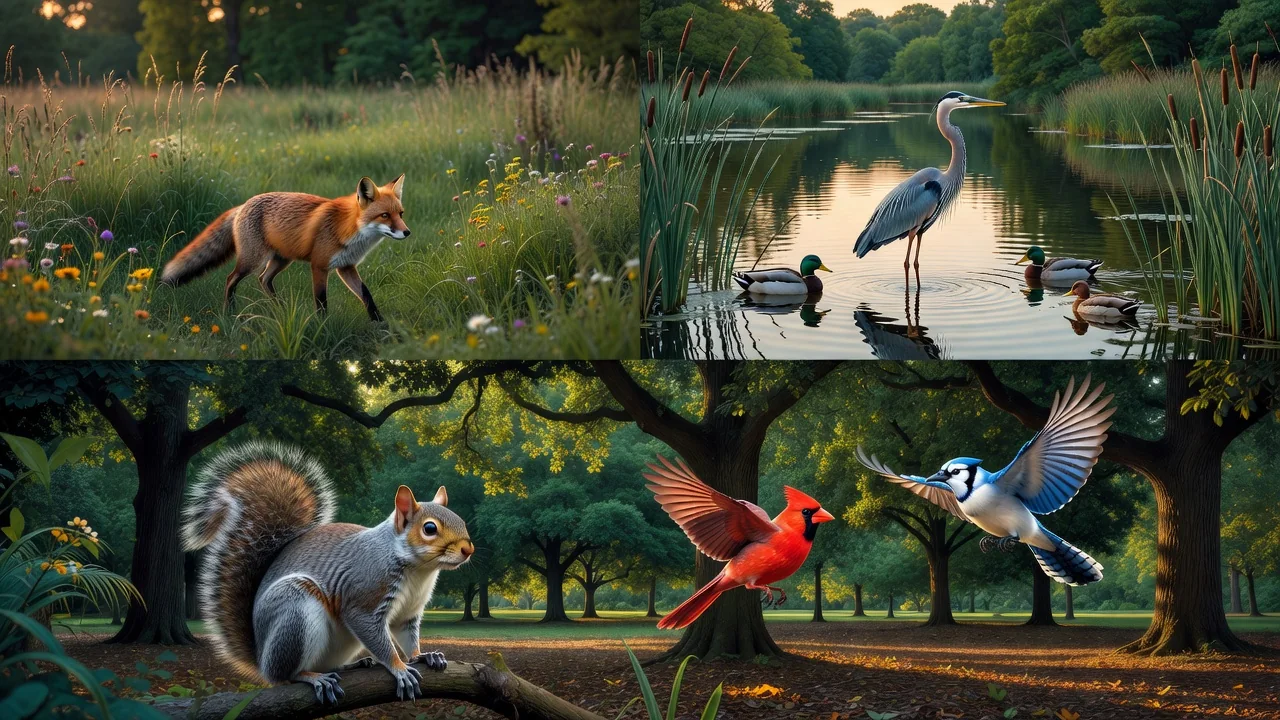
Citizen Science That Feeds Real Research
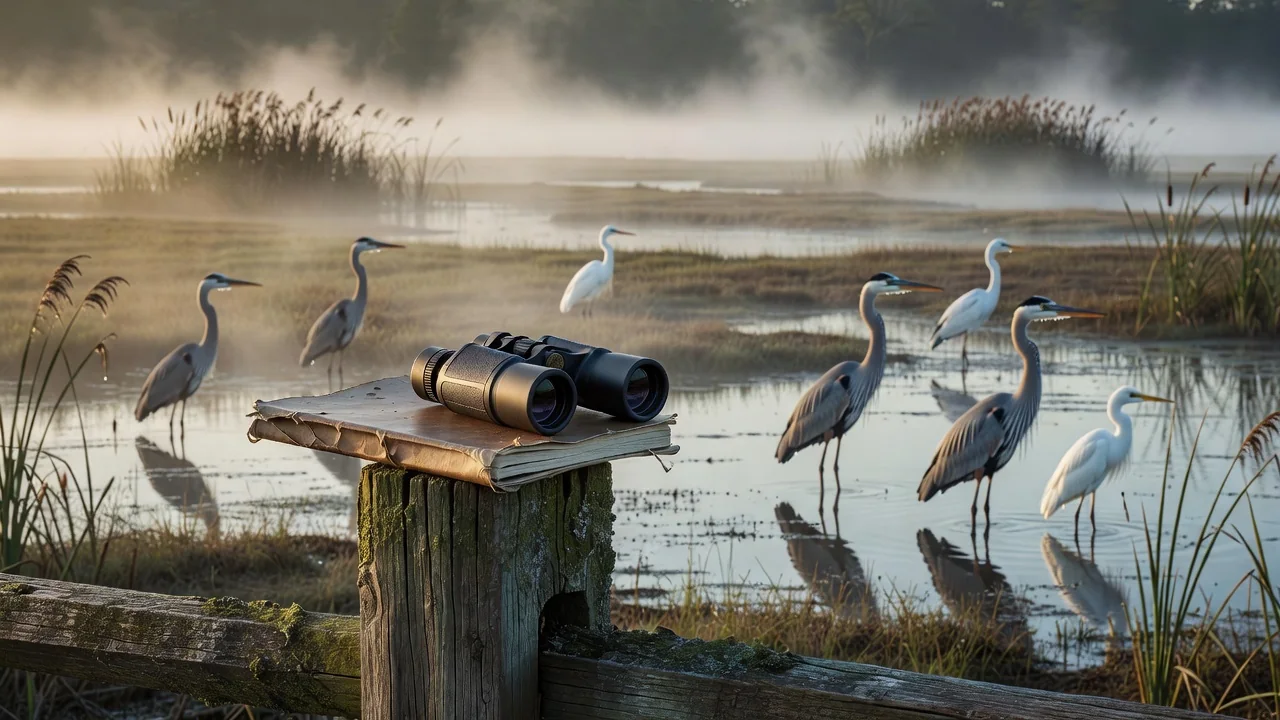
Smartphone apps have turned ordinary weekends into publishable data. Platforms styled like eBird and iNaturalist let volunteers log species sightings with photos and GPS coordinates. These records flow straight into global databases used by universities and government agencies to track population trends, migration shifts, and disease outbreaks. Consistency matters more than volume: a birder who surveys the same wetland every month for a year contributes more than someone who posts a single glamorous safari list. Training is usually free and online, making this route accessible even for those with limited mobility.
Questions to Ask Before You Commit
Any reputable organization will answer these without hesitation: What specific training do you provide and how long does it last? Are volunteers covered by liability insurance? How exactly will my data or photographs be used, and who owns it? What measurable outcomes have past volunteers helped achieve? Vague answers or heavy emphasis on “life-changing experiences” and social-media content are red flags.
Watch for voluntourism programs that prioritize photo opportunities with habituated or captive animals. Signs include short visits with guaranteed animal encounters, marketing that focuses on cuddling or bottle-feeding, and little mention of long-term population monitoring or habitat protection. These setups often stress animals, spread disease, and divert funds from genuine field work.
Skills-Based Volunteering for Non-Fieldwork Days
Not everyone can dig, hike, or handle wildlife. Conservation groups constantly need translators for multilingual reports, graphic designers for outreach materials, coders to clean camera-trap data, and patient volunteers to enter decades-old handwritten records. A few hours a week of skilled remote work can free field biologists to stay in the forest instead of stuck behind a desk. These roles often allow flexible scheduling around full-time jobs or health limitations.
| Activity | Typical Time Commitment | Fitness Level Required |
|---|---|---|
| Habitat restoration planting | One full day or 4–6 hrs monthly | Moderate (bending, lifting) |
| Invasive species removal | Half-day sessions, repeatable | Moderate to high (terrain dependent) |
| Nest box monitoring | 2 hrs per visit, weekly in season | Low to moderate (some climbing) |
| Wildlife rescue transport | On-call, 1–3 hrs per trip | Low (driving) |
| Trail maintenance | Full days seasonally | High (hiking with tools) |
| Citizen science observations | 30 min to 3 hrs per outing | Low (can be done from bench or wheelchair-accessible paths) |
| Data entry / graphic design | Flexible remote hours | None (desk-based) |
Start small, stay local when possible, and track your own impact. A single volunteer who returns monthly to pull garlic mustard from the same woodland edge can shift the plant community within two seasons. That same person, if they also log birds on every visit, doubles their contribution by feeding long-term datasets. In 2026, conservation needs persistence more than dramatic gestures. Choose work that fits your life, ask the right questions, and you will actually help rather than simply feel helpful.
- Confirm every project has a licensed biologist or land manager on site
- Track your hours and observations so groups can report real metrics
- Combine physical and digital tasks when your schedule allows
- Support local wildlife rehab centers with supplies instead of exotic trips
- Share accurate information rather than cute animal selfies