Indicator Species: The Animals and Plants That Report on Ecosystem Health
Indicator species act like living sensors in the wild, revealing the true condition of ecosystems long before visible collapse. Because they respond quickly and predictably to specific pressures, scientists and volunteers use their presence, absence, or abundance to track pollution, habitat quality, and climate stress. Choosing the right ones matters: the best indicators combine high sensitivity to change, sufficient numbers to sample reliably, and practical ways to count them without expensive equipment.
Take lichens. These symbiotic organisms absorb everything from the air, making them exquisitely sensitive to sulphur dioxide. In the 1970s, maps of lichen diversity across British cities showed exactly where coal smoke was worst; cleaner air since then has allowed sensitive species like Usnea to return. The mechanism is simple: sulphur damages their algal partner, halting photosynthesis. Where you see beard lichens waving from branches, you can usually breathe easy.
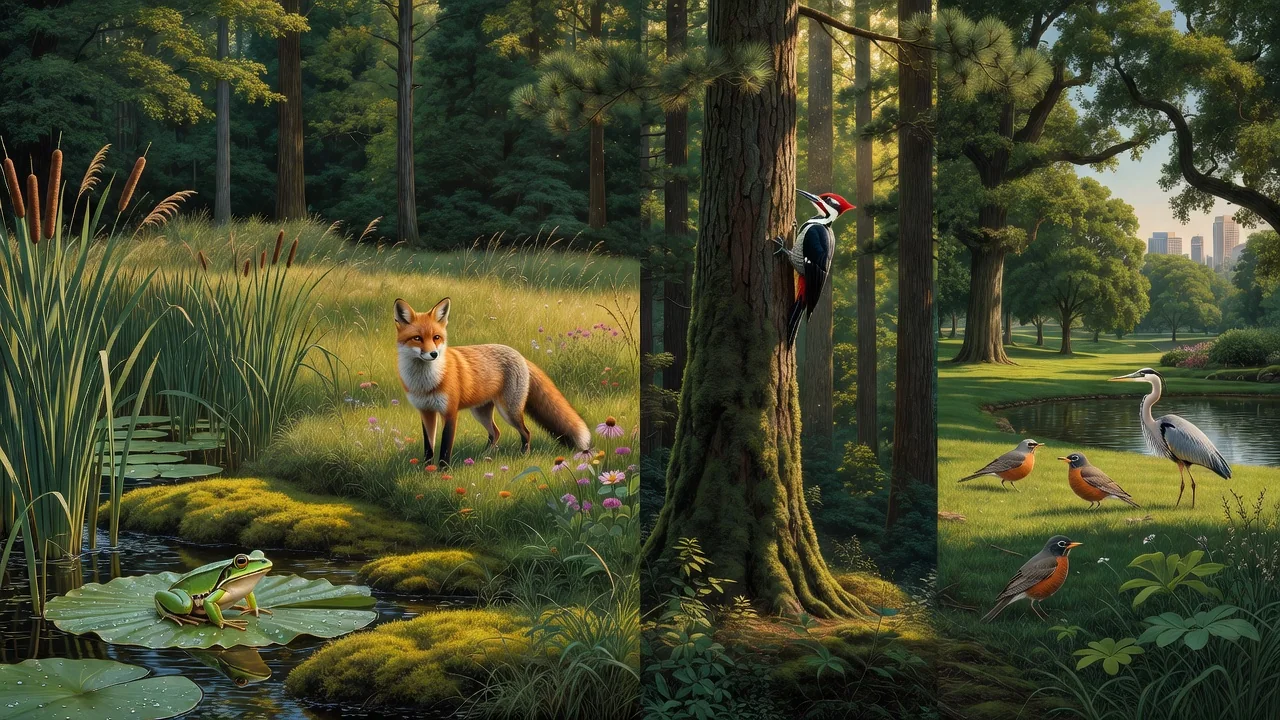
Amphibians and Aquatic Insects: Sentinels of Water Health
Frogs, toads, and newts live double lives—breathing through permeable skin both on land and in water. This makes them vulnerable to agricultural runoff, acidification, and disease. A sudden drop in tadpole survival often signals pesticides or heavy metals before fish show symptoms.
In streams, mayflies and stoneflies provide even sharper grades. Stonefly nymphs need high oxygen and clean gravel; their disappearance is an early warning that organic pollution has lowered dissolved oxygen. Biological monitoring schemes in the UK and US assign numerical scores to these invertebrate communities, turning a kick-sample into a reliable water-quality report card.
Top Predators and Pollinators: Measuring the Whole Web
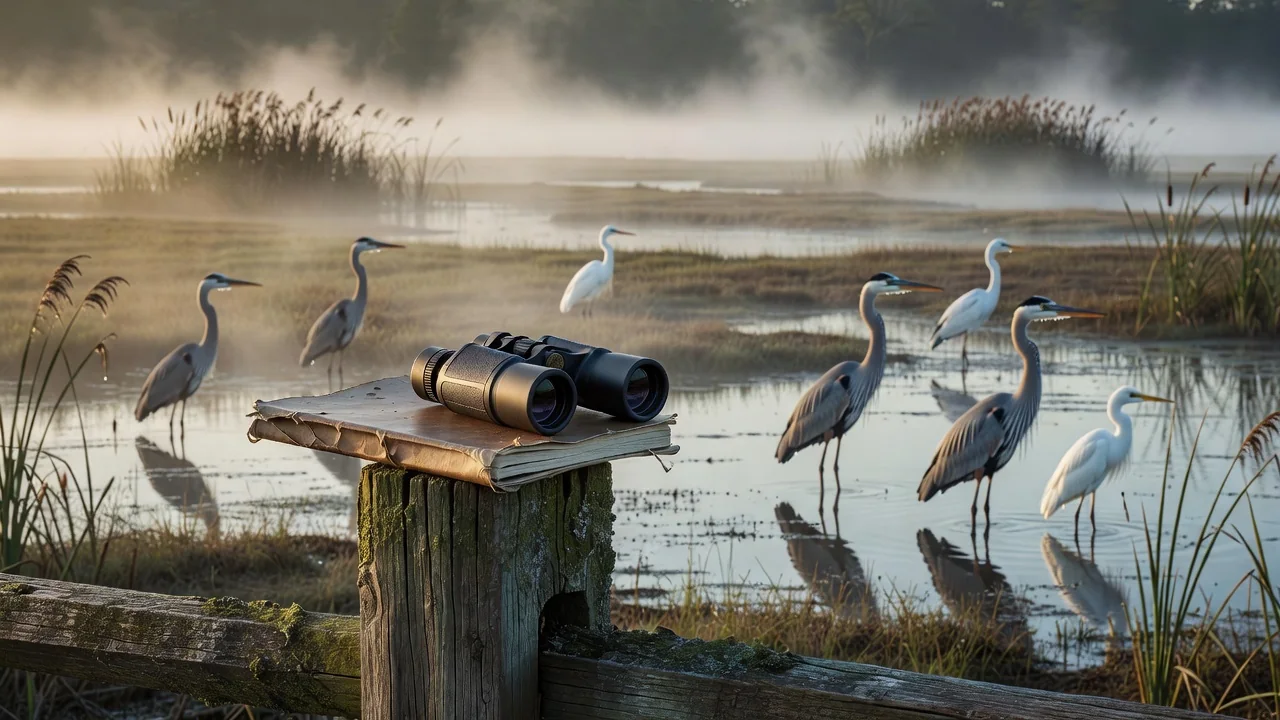
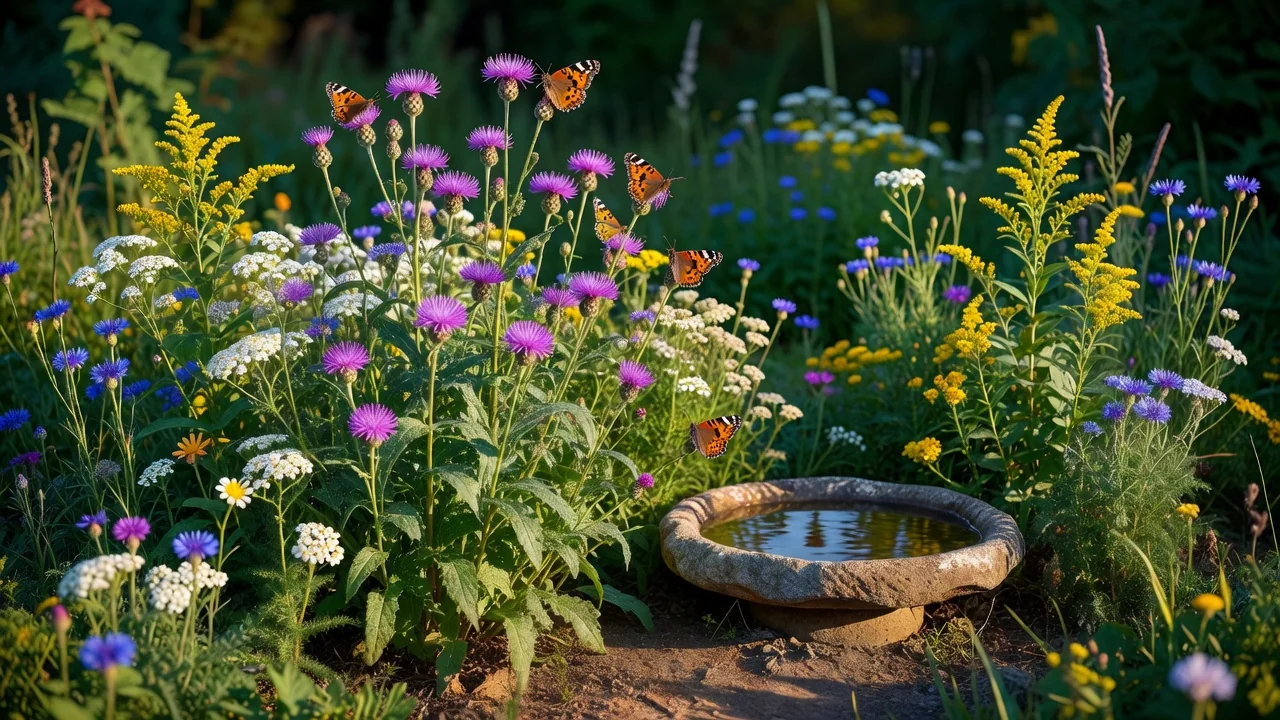
At the top of food chains, otters, peregrine falcons, and big cats need abundant prey and large territories. Their recovery or decline tells us whether the supporting web is intact. When otters returned to English rivers in the 1990s, it confirmed that fish stocks and bankside habitat had improved enough to support a demanding predator. On farmland, the variety and numbers of bees, hoverflies, and butterflies serve as a direct metric of soil health, pesticide use, and flower-rich margins. A diverse pollinator community usually means the wider ecosystem is working.
Volunteers make these insights possible. Every spring, thousands join frogspawn surveys, butterfly transects, and lichen hunts organised by conservation charities. Their data feed national trend reports that influence policy on river clean-ups, farm subsidies, and air-quality targets. No PhD required—just consistent observation and a willingness to get wet or muddy.
What to Remember Before You Head Out
- Lichens on clean bark signal good air; a bare trunk in a city tells its own story.
- Mayfly and stonefly larvae under stream stones mean the water is in good shape.
- A returning otter or top predator reports on the whole food web beneath it.
- Log what you see with a date and place — repeated notes become real evidence.
| Indicator Group | What It Signals | Where Amateurs Can Observe |
|---|---|---|
| Lichens (e.g. Usnea, Lobaria) | Air quality, sulphur dioxide levels | Tree trunks in parks and woodlands |
| Amphibians (frogs, newts) | Freshwater pollution and disease | Ponds and ditches in spring |
| Mayflies & stoneflies | Stream oxygen and organic pollution | Riverbanks with a net and tray |
| Otters & raptors | Food-web integrity and habitat connectivity | Rivers, coasts, upland moors |
| Bees & butterflies | Farmland health and pesticide impact | Gardens, meadows, field margins |
Using indicator species turns passive admiration of nature into active stewardship. The next time you notice a carpet of orange lichen on a city tree or hear a riot of mayflies above a river at dusk, remember: the ecosystem is speaking. Listening carefully, and recording what we see, helps everyone keep these living barometers healthy for the decades ahead.