Rocky Shores and Tide Pools: A Careful Watcher's Field Guide
Rocky shores reveal layered worlds at low tide, but only if you time your visit right. Consult local tide tables and arrive at least one hour before the predicted low water on spring tides around new and full moon; these expose the richest intertidal zone, stretching sometimes 200 meters from splash line to kelp edge. At places like the Pembrokeshire coast in Wales or the Monterey Bay rocky headlands in California, careful observers can watch beadlet anemones, common starfish, and shore crabs without disturbing a single creature. The key is patience and respect for fragile life that has adapted to survive twice-daily submersion and exposure.
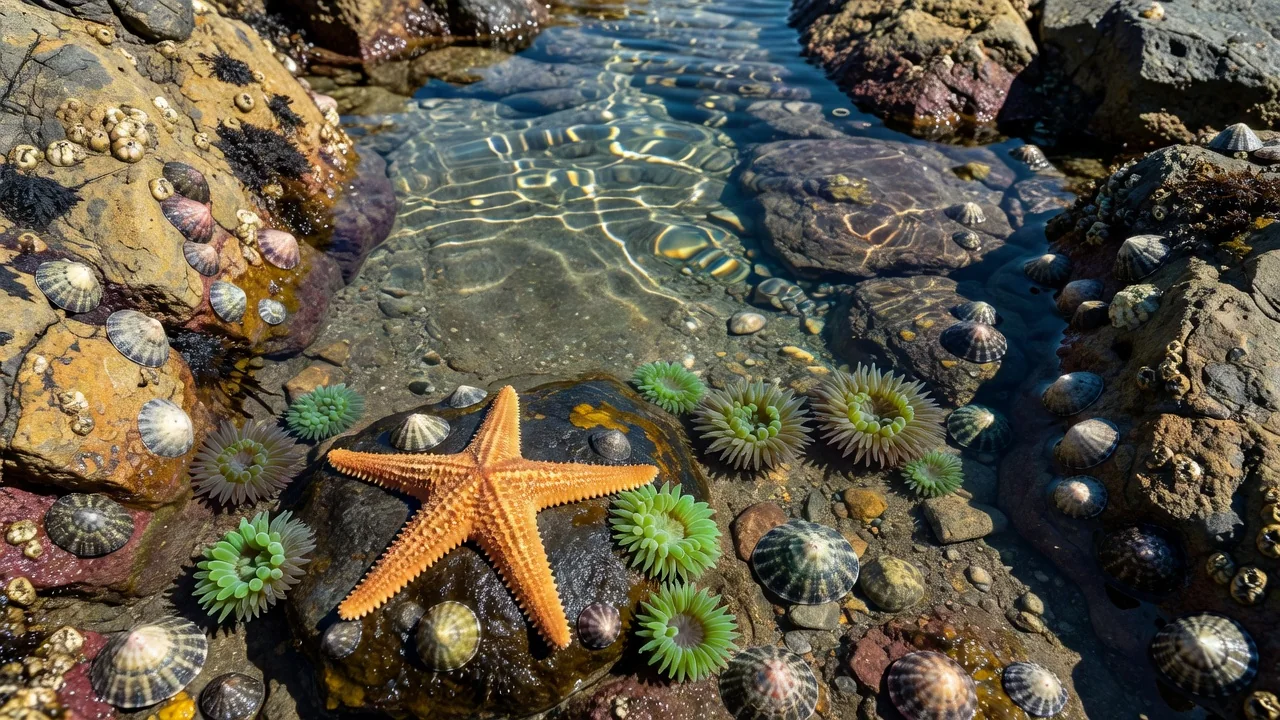
Intertidal zonation follows a clear vertical pattern shaped by hours of air exposure. In the splash zone, rough periwinkles and maritime lichens cling to bare rock. Mid-shore barnacles and limpets dominate, while lower pools shelter beadlet anemones, green shore crabs, and five-armed common starfish. At the lowest edge during spring tides, oarweed kelp forests sway just below the waterline. Organizations such as the Marine Conservation Society recommend never turning rocks you cannot replace exactly the same way, and always stepping on bare rock rather than on beds of mussels or barnacles.
Reading the Tide Tables
Tide tables from the UK Hydrographic Office or NOAA list times and heights in meters for every harbor. Spring tides expose the full intertidal gradient, often dropping water level by 4.5 meters or more. Arrive 60 minutes early so the sea continues to fall while you explore safely. Neap tides cover too much ground and limit access to only the upper two zones. Check the moon phase the night before; full or new moon guarantees the biggest range. Local apps update every six hours and include weather warnings for sneaker waves that can sweep unwary watchers off ledges 15 meters above the current waterline.
Zonation from Splash to Kelp
The splash zone, rarely submerged except during storms, hosts rough periwinkles and yellow crustose lichens that survive weeks without water. Ten meters lower, the mid-shore barnacle belt appears white from a distance; thousands of acorn barnacles and limpet shells cover every square centimeter. Lower still, in shaded crevices, beadlet anemones contract into red jelly blobs when the tide retreats. At the very bottom, oarweed kelp holds fast against the full force of Atlantic surf, creating miniature forests that shelter juvenile shore crabs only 8 millimeters across.
Pool Etiquette That Protects Life
Never pry a limpet from its home; the animal will die within hours because it cannot reattach. Lift seaweed gently with one finger and replace it exactly where it lay. Turn no rock larger than your hand, and always flip it back the same orientation so the community underneath survives. Leave every live creature in its pool; even small periwinkles play vital roles in grazing algae. Watch your footing on slippery bladderwrack that covers rocks like green ice. Keep one eye on the sea every 30 seconds because sneaker waves can arrive without warning, especially on days when swell exceeds 1.5 meters.
Birds That Work the Shoreline
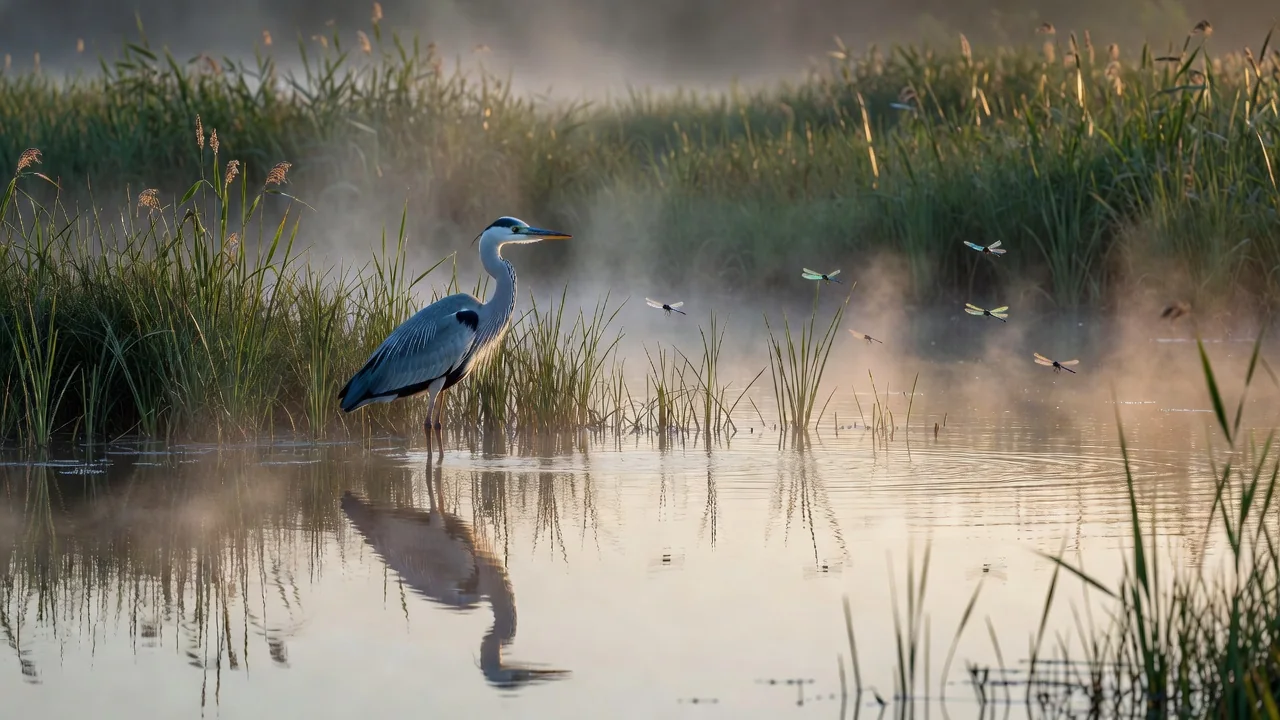
Ruddy turnstones flip strands of seaweed with quick beak flicks, searching for amphipods hidden beneath. Eurasian oystercatchers hammer mussel shells on exposed beds, their orange bills striking with 60 newtons of force. Rock pipits hop along the upper tide line, picking tiny insects from lichen-covered boulders. These birds rely on undisturbed feeding time during the four-hour low-tide window. Binoculars with 8x magnification let you observe from 25 meters away without flushing them. A single disturbance can cost an oystercatcher 15 minutes of lost feeding that it cannot easily replace before the tide returns.
Seasonal Changes on the Rocks
Winter storms scour pools and refresh oxygen levels, often depositing new kelp fronds 3 meters long that shelter increased numbers of porcelain crabs. Summer heat can trap stranded fish in shrinking pools where water temperature climbs above 24 degrees Celsius, stressing anemones and starfish. Autumn brings massive mussel spat settlement; millions of baby mussels each 2 millimeters long carpet rocks in a single week. Spring sees breeding activity in most species, with shore crabs carrying bright orange egg masses under their abdomens. Plan visits accordingly and avoid the hottest hours between 11 a.m. and 3 p.m. from June through August.
- Always consult printed or digital tide tables for your exact location before setting out.
- Approach pools slowly and kneel rather than lean over to reduce shadow and vibration.
- Replace every turned rock in its original position within 30 seconds.
- Never collect live animals, shells with occupants, or seaweed for home aquariums.
- Stay aware of incoming tide and keep a clear escape route to higher ground.
- Share observations quietly so other watchers can enjoy the same undisturbed scene.
| Zone | Typical Species | How to Find Them |
|---|---|---|
| Splash | Rough periwinkle, maritime lichen | Above highest tide line, on dry rock |
| Mid-shore | Acorn barnacle, common limpet | White band, 1-2 m above low water |
| Lower pools | Beadlet anemone, shore crab, common starfish | In shaded rock basins retaining water |
| Low edge | Oarweed kelp, porcelain crab | Only exposed on spring tides, near surf |
| Bird zone | Turnstone, oystercatcher, rock pipit | Feeding on seaweed and mussel beds |
Respectful watching on rocky shores builds deeper understanding of these dynamic ecosystems. Return at different seasons and tides and the same stretch of coast will show you new residents and behaviors every single time.