Raptor Identification for Beginners: Shape First, Plumage Second
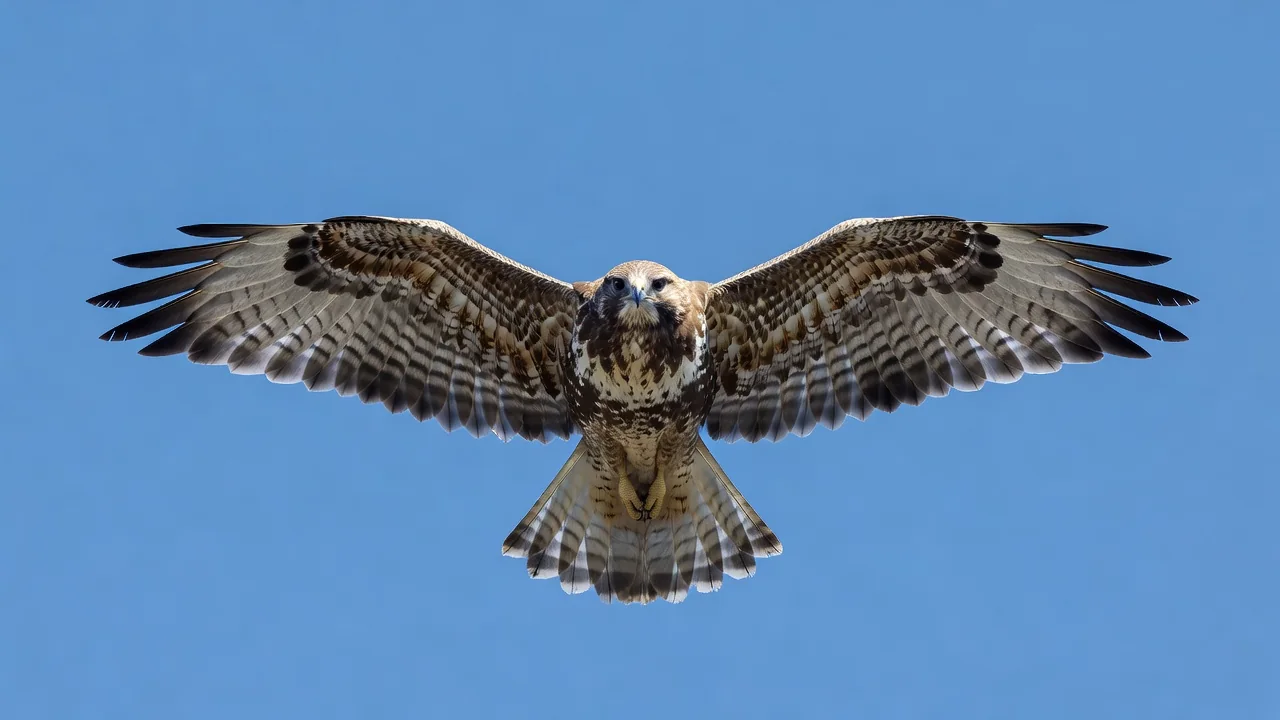
In the crisp air above the Brecon Beacons, a distant raptor circles on broad wings. Before you reach for binoculars to check its plumage, note the shape first: that stocky body, short fanned tail and soaring circles mark it as a buteo, most likely the common buzzard that patrols these Welsh hills in a British population now counted in the tens of thousands of pairs. Plumage on any raptor can shift dramatically with age, moult and light conditions, turning a juvenile red-tailed hawk into a confusing blur at 400 metres. Seasoned watchers therefore begin with silhouette and flight style, the two features that remain relatively constant even when the bird is little more than a speck against a bright sky.
Across the Atlantic in the oak woodlands of upstate New York, the same principle separates a Cooper’s hawk from a sharp-shinned hawk long before colours become visible. The accipiter’s short rounded wings and long tail allow lightning turns between trees, while buteos prefer open country. Mastering these broad groups opens every distant sighting, whether you stand on a Scottish grouse moor or scan the marshes of the Camargue. Once shape and flight are locked in, plumage details simply confirm the species.
Why Shape Trumps Plumage Every Time
Field guides show dozens of plumage variations for a single species such as the common buzzard. A fresh juvenile can look almost black while a pale morph adult appears creamy white underneath. At 300 metres these differences vanish in glare or shadow. Wing loading, aspect ratio and tail length stay consistent from fledging to old age. That is why the shape-first method works for every beginner watching from ridgetops in autumn when 15,000 birds may pass a single lookout in one day. Lock in the outline, then refine with behaviour.
Buteos: The Soaring Generalists
Common buzzards and red-tailed hawks share the classic buteo blueprint: broad rounded wings with a span around 120 centimetres and a short, wide tail fanned like a rudder. They soar in wide circles, often kettling in thermals rising at 2 metres per second. Watch one from any British motorway embankment and you will see lazy flaps followed by long glides. These birds hunt mammals and carrion over open fields, rarely chasing birds through woodland. Their silhouette is unmistakable once you have seen twenty of them.
Accipiters: Forest Ambush Artists
Sparrowhawks and northern goshawks slice through trees with short, rounded wings and tails twice as long as a buteo’s. Their flight is a distinctive flap-flap-glide pattern, often low and fast. In British woodlands a male Eurasian sparrowhawk has a wingspan of only 60 centimetres yet can take prey at 40 kilometres per hour in tight cover. Look for that long tail twisting like a rudder when the bird banks between oaks. Plumage varies wildly between sexes and ages, but the shape never lies.
Falcons: Pointed Wings and Pure Speed
Peregrine falcons and common kestrels display sharply pointed wings built for velocity. The kestrel is the one you see hovering motionless 10 metres above a roadside verge, tail fanned and head into the wind, before dropping like a stone on a vole. Its wingspan reaches 75 centimetres yet it can hold station in a 30-kilometre-per-hour breeze. Peregrines show the same pointed silhouette at 800 metres when stooping at 300 kilometres per hour. Once you recognise the sickle wings, colour becomes secondary.
Harriers and Osprey: Specialised Silhouettes
Marsh harriers and hen harriers glide low on V-shaped wings held in a shallow dihedral, rocking side to side like a paper plane over reedbeds. Their long wings span 120 centimetres and they hunt within 3 metres of the ground across wetlands from the Norfolk Broads to the Danube Delta. The osprey, by contrast, shows gull-like wings with a distinct crook at the carpal joint while carrying fish above lochs and estuaries. These two groups never overlap in silhouette once you have learned the rocking glide versus the crooked wing.
Where and When to Practise
Autumn ridgetop watches deliver the best volume for beginners. Sites such as the Strait of Gibraltar or Hawk Mountain in Pennsylvania can see 20,000 raptors in a single week between mid-September and late October. Closer to home, stand on any exposed hill in the Peak District and you will see common buzzards, sparrowhawks and peregrines moving south. Motorway verges offer year-round kestrel practice; pull into a safe lay-by on the M40 and scan the grass embankments for hovering birds. Thirty minutes will usually yield five individuals.
- The shape-first method works at distances up to 800 metres where plumage is invisible.
- Buteos show broad wings and short fanned tails while soaring in wide circles.
- Accipiters fly with quick flap-flap-glide bursts between woodland edges.
- Falcons display sharply pointed wings whether hovering or stooping.
- Harriers rock on raised wings low over marshland vegetation.
- Ospreys reveal crooked gull-like wings when hunting above water.
| Group | Silhouette | Flight Style | Habitat |
|---|---|---|---|
| Buteo | Broad wings, short tail | Soaring circles | Open fields |
| Accipiter | Short rounded wings, long tail | Flap-flap-glide | Woodland edges |
| Falcon | Pointed wings | Fast direct or hover | Varied, often open |
| Harrier | Raised V wings | Low rocking glide | Marshes, moors |
| Osprey | Crooked gull wings | Steady flight over water | Lakes, coasts |
Start every sighting with wings, tail and flight rhythm and you will identify most raptors long before they disappear over the next ridge. The confidence gained from nailing that first distant common buzzard without ever seeing its plumage is the moment field naturalists are born.