Finding Frogs, Toads and Salamanders: An Amphibian Field Guide
In the damp woodlands of the New Forest and along the misty lanes of the Lake District, spring brings one of nature's great spectacles: mass migrations of common frogs (Rana temporaria) and common toads (Bufo bufo) heading to breeding ponds. These journeys often occur on the first wet nights when air temperatures stay above 5°C, with thousands of individuals crossing roads in a single evening. Frog spawn appears in large globular clumps of up to 2,000 eggs, while toad spawn forms long strings that can stretch over 3 metres and contain 4,000 to 12,000 eggs. Great crested newts (Triturus cristatus) and smooth newts fold their eggs individually into the leaves of pondweed, a delicate process that protects developing larvae from predators.
Vernal pools, those temporary fish-free depressions that fill with winter rains and dry by midsummer, serve as vital nurseries for many amphibian species across Europe and North America. Without fish, these shallow waters offer safe havens where tadpoles can develop in just 6 to 10 weeks. By early summer, froglets measuring only 15 millimetres leave the water in their hundreds, seeking cover in tall grass and leaf litter within 50 metres of the pond edge. Nocturnal torchlight surveys after 10pm reveal toads actively hunting slugs and beetles, their eyes reflecting bright red in the beam. Salamanders and newts hide under logs and stones in damp woodland; always replace these cover objects exactly as found to preserve the microhabitat that keeps the animals alive.
Timing Your Searches
Amphibian activity follows clear seasonal patterns. In March and April, common frogs and toads migrate to ponds on nights above 5°C, often travelling up to 1 kilometre from their hibernation sites. Listen for the low-pitched purring of common frogs and the high-pitched croak of toads after dusk. By May, great crested newts perform elaborate courtship dances in water deeper than 30 centimetres. June sees thousands of froglets emerging from ponds in places like the Somerset Levels, each one smaller than a fingernail yet already equipped with lungs.
July and August are perfect for evening torch surveys. Common toads hunt actively after 9pm when temperatures remain above 12°C, covering up to 100 metres in a single night. Fire salamanders (Salamandra salamandra) emerge in damp German forests after rain, their striking black and yellow patterns unmistakable even at 2 metres distance. Always survey with a red-filtered torch to minimise disturbance to their sensitive eyes.
Responsible Handling Techniques
Handling amphibians requires strict protocols to protect their permeable skin. Wet your hands only with pond water before any contact, and limit handling to under 30 seconds. Never pick up animals with dry hands, as the salts and oils on human skin can cause fatal dehydration in species like the natterjack toad (Epidalea calamita). Return every log or stone exactly to its original position within 10 seconds to maintain the vital moisture and temperature balance underneath.
Clean all equipment between sites using a 1 percent Virkon solution or dedicated amphibian-safe disinfectant. Boots, nets and waders must be thoroughly dried for at least 48 hours or treated to prevent spreading the chytrid fungus (Batrachochytrium dendrobatidis), which has already caused declines of up to 90 percent in some populations of midwife toads in Spain. Never move spawn, tadpoles or adults between different ponds, as this risks introducing disease or invasive species.
Listening to the Chorus
After dark in spring, amphibian choruses create unforgettable soundscapes. In North American wetlands, spring peepers (Pseudacris crucifer) produce a high-pitched chorus audible from over 500 metres away starting in late March. European marsh frogs (Pelophylax ridibundus) call with loud, duck-like quacks that can reach 100 decibels from ponds in the Camargue region of France. Stand quietly 10 metres from the water's edge with a notebook and record the time, temperature and dominant species calls.
Many species call only above specific temperatures. Common frogs begin breeding choruses above 6°C while edible frogs (Pelophylax esculentus) wait until water warms to 18°C in June. Use a phone app or simple thermometer to note conditions, then compare your recordings with established regional guides. This data helps conservation groups like Amphibian and Reptile Conservation track population changes across the UK and mainland Europe.
Identifying Key Species Groups
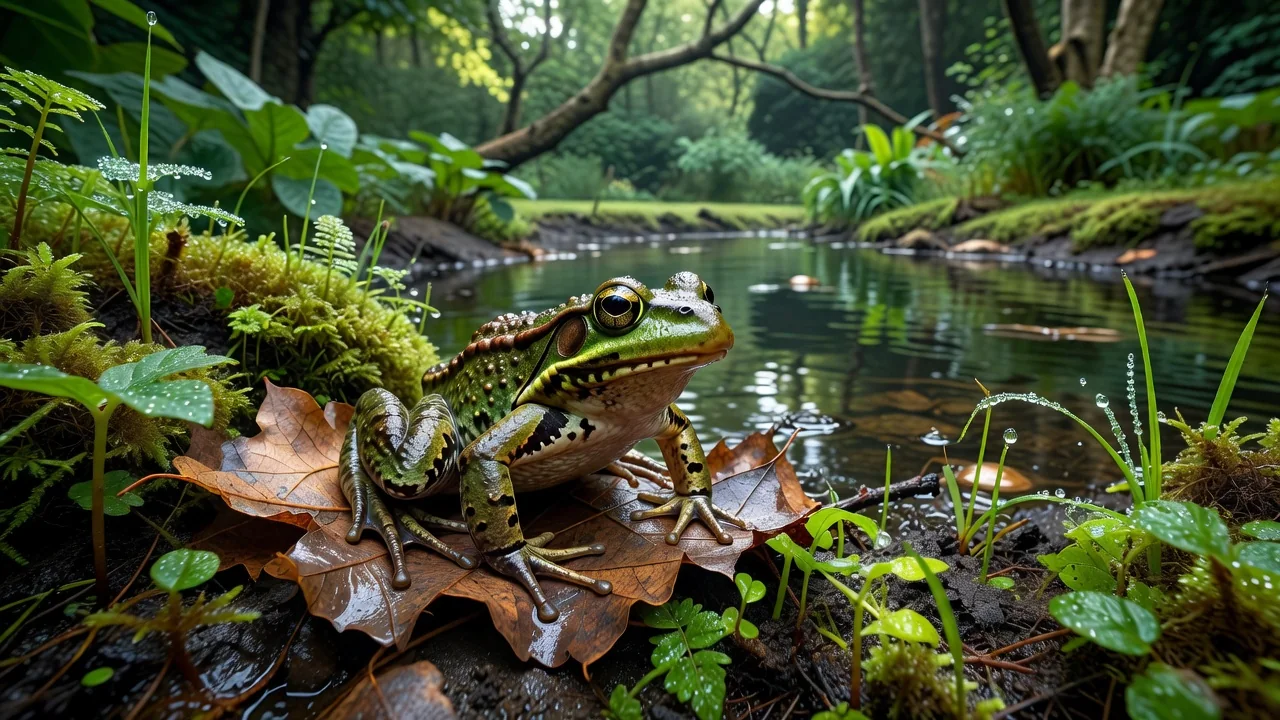
Frogs and toads differ markedly in body shape and movement. Frogs have smooth, moist skin and leap away quickly when disturbed, while toads possess dry, warty skin and prefer to walk. Newts and salamanders display lizard-like bodies with tails that make up over half their total length of 10 to 18 centimetres. Observe from at least 1 metre away to avoid causing stress that could interrupt breeding activity lasting only 2 to 3 weeks per season.
Reporting and Conservation
Document any unusual findings immediately. Mass deaths of more than 10 animals in one location should be photographed and reported to your national wildlife trust within 24 hours. Note the species, exact location using GPS coordinates accurate to 5 metres, water temperature and any visible symptoms such as reddening of the underside in common frogs. Such records help track the spread of ranavirus and chytrid across continents.
- Always replace every log and stone exactly as you found it within seconds of checking underneath.
- Use only pond water to wet your hands before any necessary handling of amphibians.
- Disinfect boots and equipment with approved solutions between every separate wetland site.
- Never transfer spawn, tadpoles or adult animals between different ponds or water bodies.
| Species Group | Best Month | Habitat | Field Clue |
|---|---|---|---|
| Common Frog | March | Ponds | Globular spawn clumps |
| Common Toad | April | Road verges to ponds | Long spawn strings |
| Great Crested Newt | May | Deeper ponds | Individual folded eggs |
| Fire Salamander | June | Damp woodland | Black and yellow stripes |
| Spring Peeper | March | Vernal pools | High peeping chorus |
| Marsh Frog | July | Reed beds | Loud duck-like calls |
Respectful observation of amphibians deepens our connection to the living landscape while helping safeguard species that have survived for over 300 million years. Every careful survey counts toward their future.